
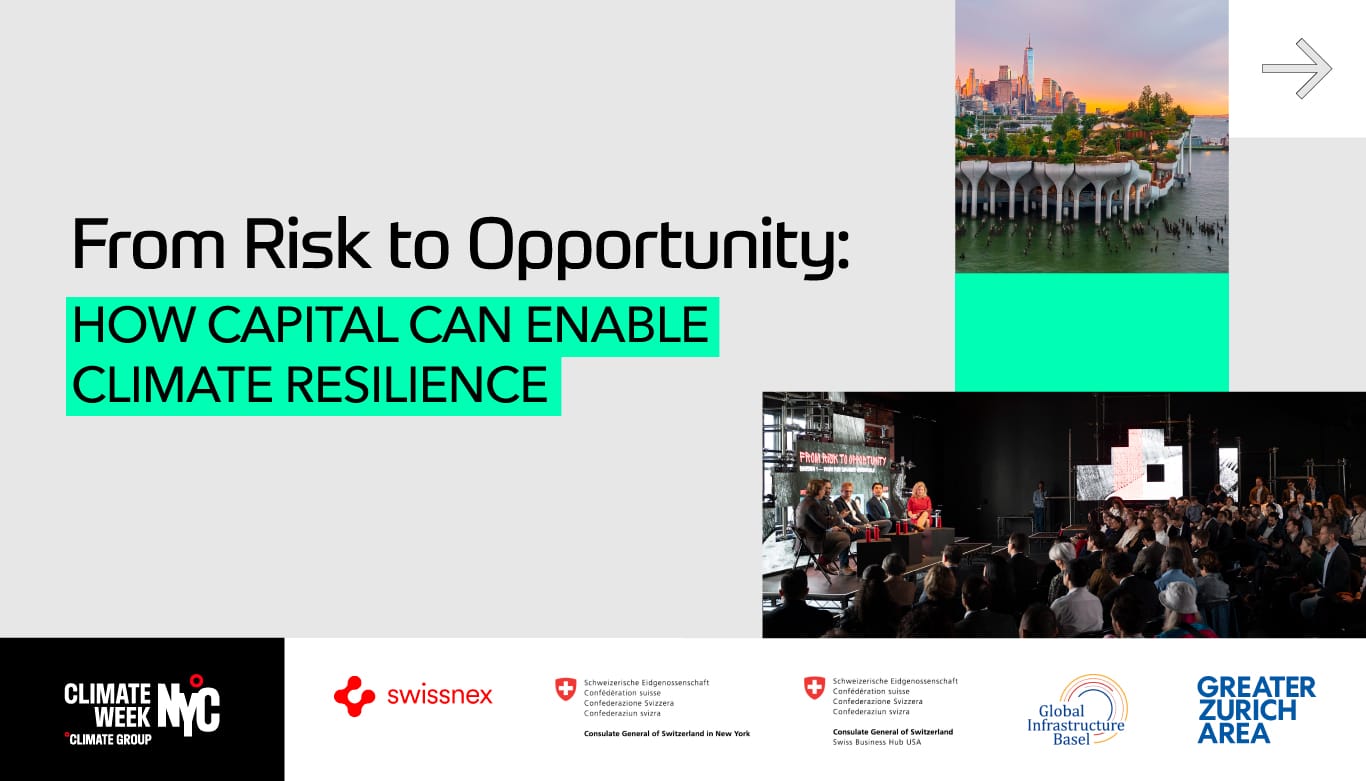
FAST-Infra at Climate Week NYC 2026: Insights on risk, finance, and delivery
What’s a Rich Text element?
The rich text element allows you to create and format headings, paragraphs, blockquotes, images, and video all in one place instead of having to add and format them individually. Just double-click and easily create content.
H1
H2
H3
H4
H5
H6


Static and dynamic content editing
A rich text element can be used with static or dynamic content. For static content, just drop it into any page and begin editing. For dynamic content,
add a rich text field to any collection and then connect a rich text element to that field in the settings panel. Vsadsadsdasdasdasdasdoila!
- A rich text element can be used with static or dynamic content. For static content, just drop it into any page and begin editing. For dynamic content, add a rich text field to any collection and then connect a rich text element to that field in the settings panel. Voila!
- t to that field
- t to that field
-
How to customize formatting for each rich text
How to customize formatting for each rich text
How to customize formatting for each rich text
Headings, paragraphs, blockquotes, figures, images, and figure captions can all be styled after a class is added to the rich text element using the "When inside of" nested selector system.
What’s a Rich Text element?
The rich text element allows you to create and format headings, paragraphs, blockquotes, images, and video all in one place instead of having to add and format them individually. Just double-click and easily create content.
H1
H2
H3
H4
H5
H6
Static and dynamic content editing
A rich text element can be used with static or dynamic content. For static content, just drop it into any page and begin editing. For dynamic content,
add a rich text field to any collection and then connect a rich text element to that field in the settings panel. Vsadsadsdasdasdasdasdoila!
- A rich text element can be used with static or dynamic content. For static content, just drop it into any page and begin editing. For dynamic content, add a rich text field to any collection and then connect a rich text element to that field in the settings panel. Voila!
- t to that field
- t to that field
-
How to customize formatting for each rich text
How to customize formatting for each rich text
How to customize formatting for each rich text
Headings, paragraphs, blockquotes, figures, images, and figure captions can all be styled after a class is added to the rich text element using the "When inside of" nested selector system.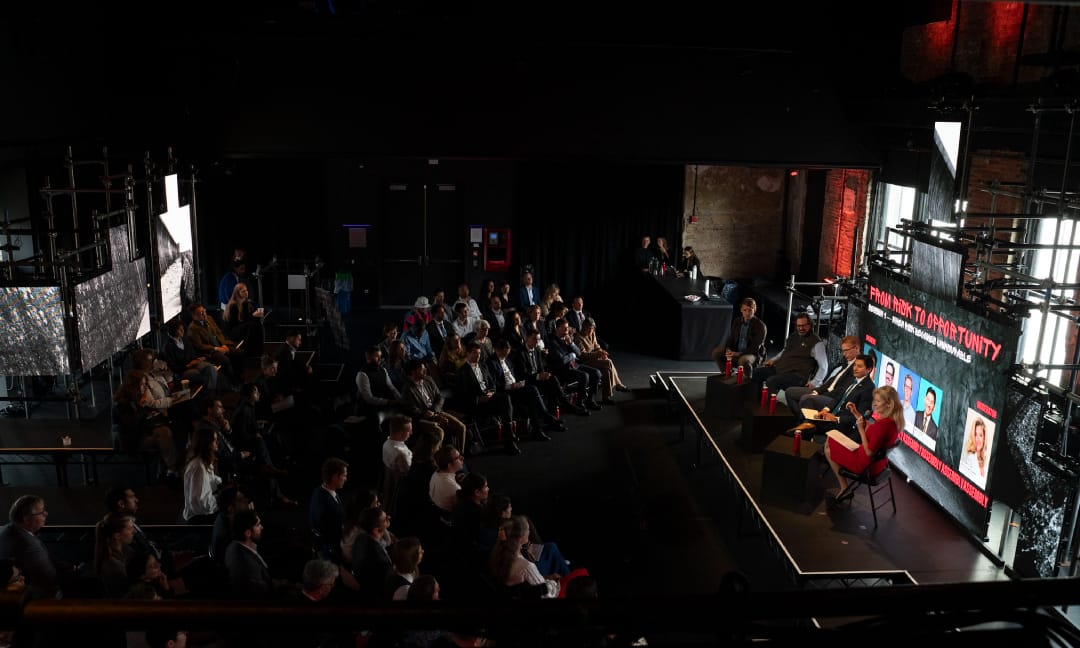
23 September 2026 | Performance Space New York, New York City
Event Recap: “From Risk to Opportunity: How Capital Can Enable Climate Resilience. Insights on insurability, financing and infrastructure delivery”
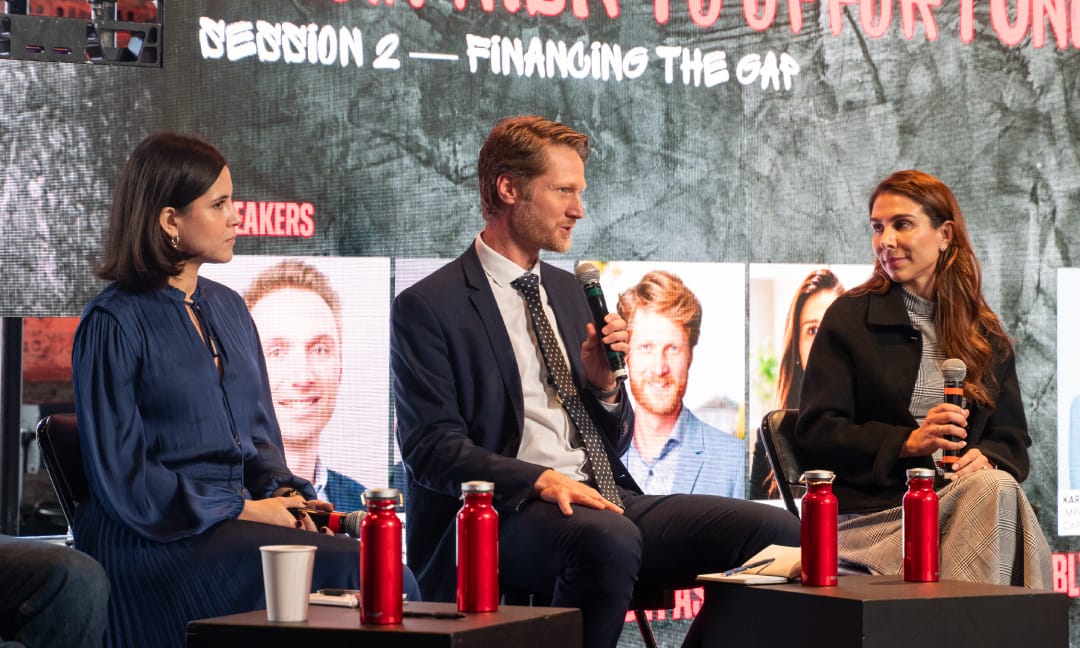
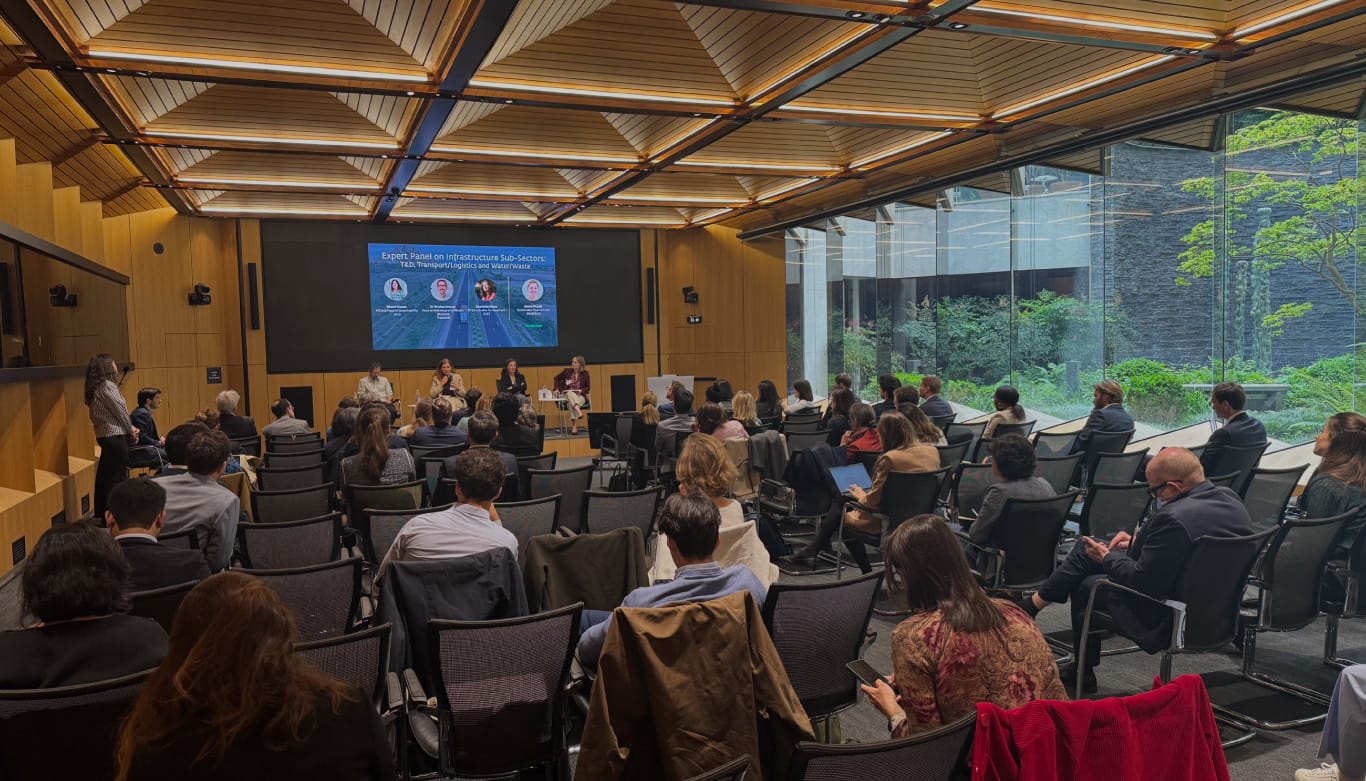
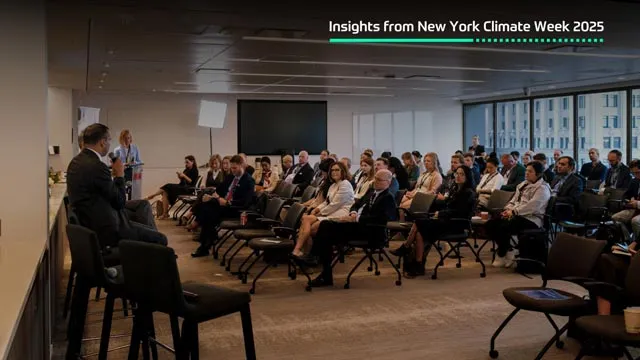
On 23 September 2026, FAST-Infra joined Swissnex and partners at Climate Week NYC for the event 'From Risk to Opportunity: How Capital Can Enable Climate Resilience', bringing together senior professionals across insurance, investment, development finance, policy, and infrastructure.
Over three panels, insurers, investors, development bankers, policymakers, and community advocates worked through one question: what does it take to get resilient infrastructure insured, financed, and built?
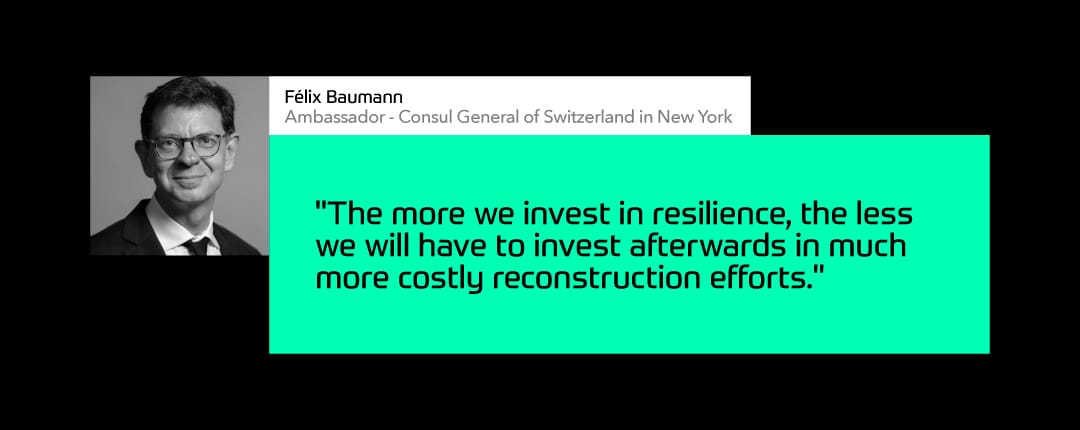
Ambassador Felix Baumann, Consul General of Switzerland in New York, opened the morning with the economic case. “The more we invest in resilience, the less we will have to invest afterwards in much more costly reconstruction efforts.”
Resilience starts before capital is committed
Several speakers emphasised that decisions around climate risk, adaptation and insurance need to be made while projects can still respond to them.
Natalia Moudrak, founder of The Resilience Table, began the first panel with the numbers. Natural disasters and extreme weather have caused more than $300 billion in economic losses in almost every year of the past decade. More than half of those losses go uninsured, and in emerging markets the share is closer to 90%.
Alexander Mirescu, Head of Extreme Weather at Zurich North America, described the need to integrate climate risk “at the earliest possible stages in the investment chain, even before we're deploying capital.”
That timing matters because decisions made during project preparation shape how effectively infrastructure can respond to future disruption. Resilience measures become more difficult and expensive to introduce later, while early planning can help protect assets, maintain essential services and improve long-term performance.
Mirescu pointed to Hoboken, New Jersey, as an example. The city sits largely on former swampland and flooded badly during Hurricane Sandy in 2012. It then wrote resilience into its decision-making and appointed a chief resilience officer, and its credit ratings have risen since.
Max Vargas, President and CEO of the Greenlining Institute, asked who pays when insurers pull back. He described “blue lining”, where insurers raise prices or withdraw from areas they classify as high climate risk. The communities affected are often the same ones that the historical practice of 'redlining' excluded for decades.
The same logic applies to how projects are assessed financially. Focusing too heavily on lowest upfront cost can overlook the value created across the full lifecycle of an asset. As André Schneider, Chair of the Board at Global Infrastructure Basel asked, “How do we move public and private procurement away from lowest upfront capital expenditure to a true full lifecycle resilience?”
Taking that longer-term view also changes how risk is understood by investors and insurers. If resilience is embedded earlier and evidenced more clearly, it can influence how an asset is financed and protected.
Five practical takeaways from the discussion
1. Bring insurers in at the design stage
As climate risk grows, insurers raise premiums, tighten terms, or leave markets altogether, and lenders follow them out. Mariana Silva, Head of the G20 Global Infrastructure Facility at the World Bank, now involves insurers much earlier in deals, “because an asset that cannot be insured, is not financed, is not bankable.”
Talking to insurers early gives developers time to fix risks while the design can still change, and the reward can take several forms. As Natalia Moudrak elaborated: “It’s not always all about premium reduction when you take resilience action. As you pointed out, it could be higher limit, could be flexibility in terms. Sometimes in some projects, it’s having access to insurance, period."
Earlier engagement with insurers can help identify risks while they can still be addressed through project design and preparation. Resilience measures may support lower premiums, higher limits, greater flexibility in terms or, in some cases, continued access to insurance.
2. Closing the financing gap requires the right capital at the right stage.
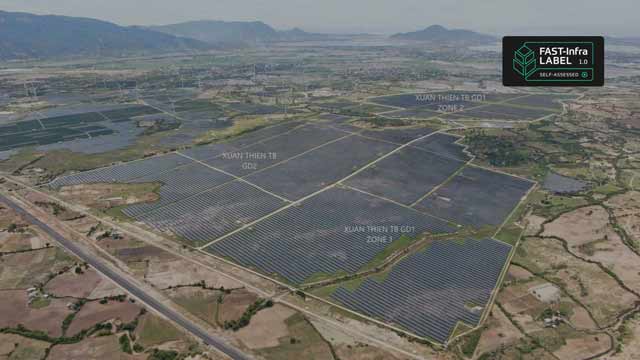
Each stage of a project needs a different kind of money. Catalytic capital and guarantees can carry a first-of-its-kind project, private credit can help a proven technology repeat, and blended finance can then bring in larger investors. Mariana Silva described that sequence in Seychelles, where guarantees and de-risking supported a floating solar plant. The project drew in the developer Masdar, which now works with the Global Infrastructure Facility to replicate it in other small island states.
Investors also need to give projects enough time. Adriana Becerra Cid of Lombard Odier warned that one bad year can sink a project in a two-year investment cycle. Anyone financing the real economy should plan for ten years or more.
3. Shared information can reduce friction between stakeholders.
Developers, investors, insurers, legal teams and public authorities often approach resilience from different starting points. When those interests are aligned late in a transaction, the process can consume significant time and resources.
Louis Downing, CEO of Global Infrastructure Basel Foundation, highlighted the value of getting everyone aligned from day one, saying, "We need to be speaking the same language across all the different disciplines who are involved in creating these catalytic structures and also assets, the, the infrastructure that we’re building with the capital that we’re trying to mobilise.”
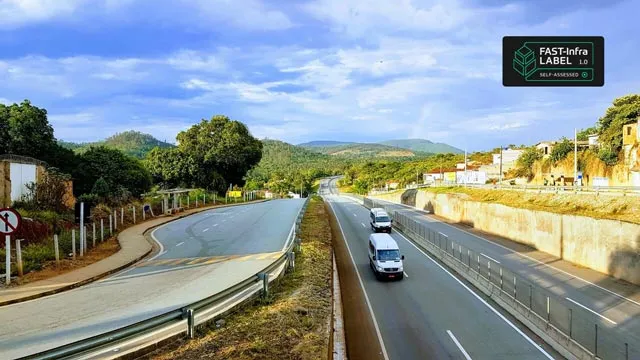
Common frameworks and comparable project information can support this process. The FAST-Infra Label provides a shared reference point for sustainability and resilience, helping stakeholders assess projects against common objectives.
4. Funding alone does not get infrastructure built.
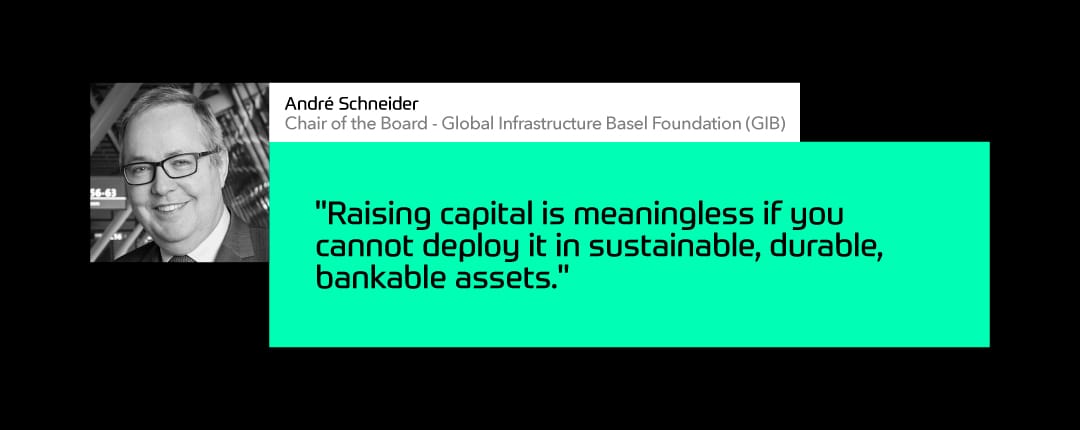
André Schneider, Chair of the Board at Global Infrastructure Basel Foundation, opened the final panel with a thought-provoking statement, “Raising capital is actually meaningless if you cannot deploy it in sustainable, durable, bankable assets.” Delays in permits, fragmented responsibilities, policy uncertainty and infrastructure planning can all prevent otherwise viable, funded projects from moving forward.
Annika Brack highlighted the potential to make better use of existing assets before new infrastructure is built. In many cases, the technology already exists and coordination remains the main challenge.
5. Involve communities before decisions are fixed.
Climate exposure and insurance gaps can fall particularly heavily on underserved communities. Participants stressed that community engagement needs to begin before investment and design decisions are fixed.
Locally informed projects can respond more effectively to real needs and create clearer benefits through reliable services, protection from climate risks and economic opportunities. Adriana Becerra Cid called for community engagement to become a core part of the investment process, so investors learn what people need instead of deciding for them.
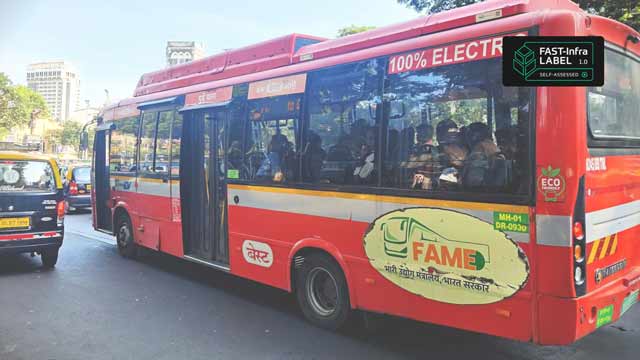
Louis Downing made the same point: “We often talk about it’s not just what you build, it’s who you build it for. And in our definition of what regenerative infrastructure it is, there’s also a really strong social component. And infrastructure, and this is our topic, infrastructure has been used as a tool for connecting communities, but also dividing them in the past, if we’re honest.” He pointed to transport projects in India and sub-Saharan Africa where careful route design and inclusive fares now connect communities with jobs.
From risk to implementation
The discussions at Climate Week NYC showed that closing the resilience financing gap depends on several connected decisions across the project lifecycle.
Climate risk needs to be assessed early, resilience embedded into project preparation, insurers and capital providers involved before key decisions are fixed, and financing matched to the lifecycle of the asset. Delivery also depends on stronger coordination between the institutions involved.
Capital, technology and resilience solutions already exist in many forms. Bringing them together effectively requires better preparation, clearer information and a longer-term view of infrastructure value.
Those conditions can help more projects move from climate ambition to resilient, investable infrastructure.
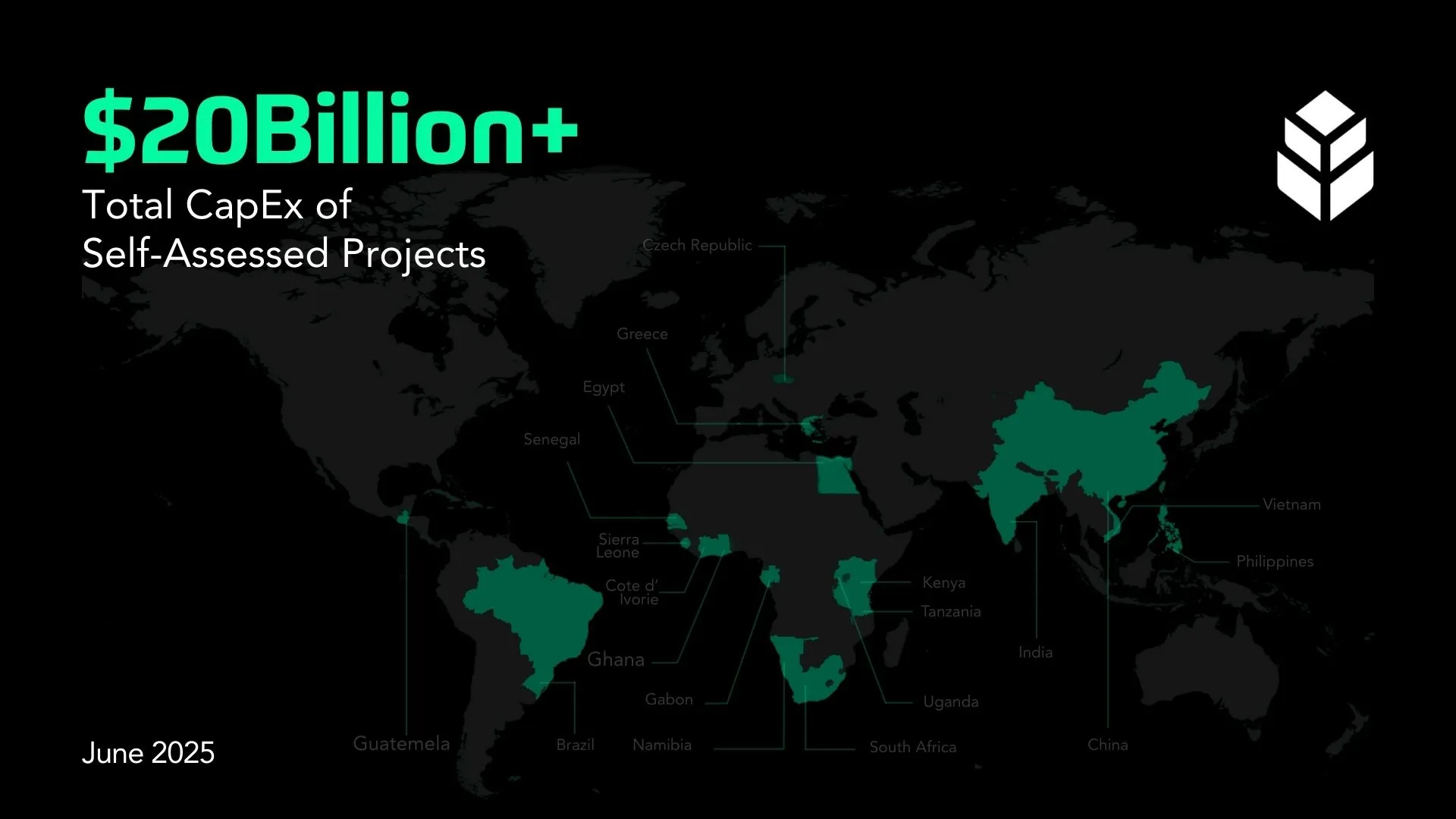
Each of the three panels came back to the same request: settle questions of risk, insurance, and community needs early, while the design can still change. The FAST-Infra Label gives developers, investors, and insurers a shared standard to do that from a project’s first stage. GIB has assessed more than 400 projects in 50 countries so far.
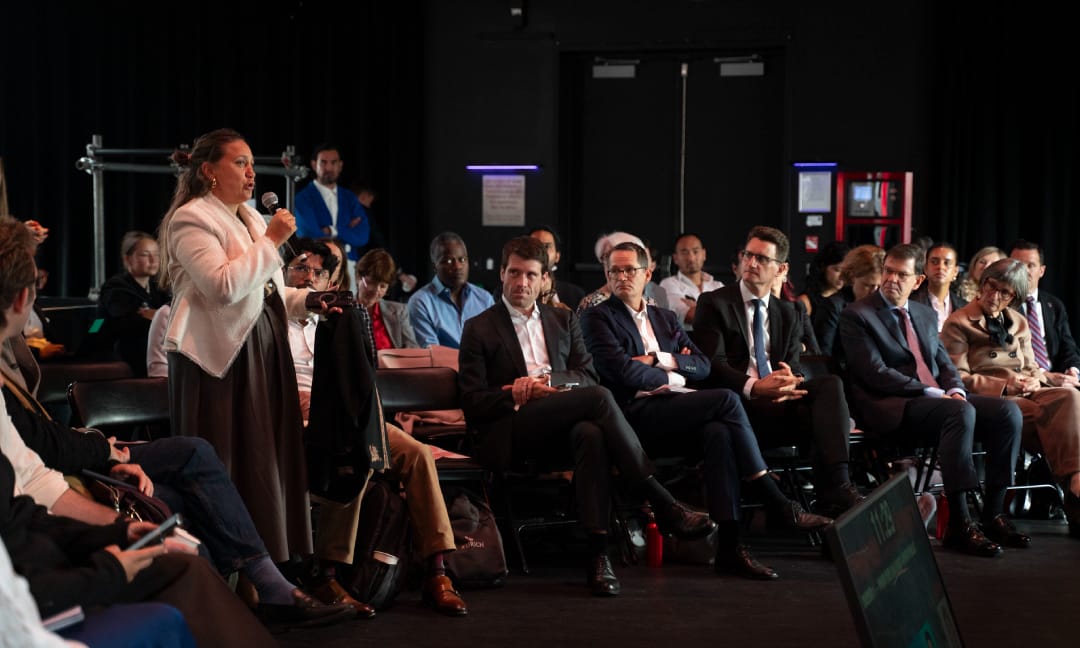
Louis Downing reflected on this in response to an audience question, saying, "One of the biggest consequences of the FAST-Infra Label that we have noticed applying it to the first 400 projects, is that time and time again people say, 'This has been an amazing process because it's brought all of the stakeholders around a common set of objectives from day one'."

Further Reading






.webp)
.webp)


.webp)
.webp)
.webp)
.webp)
.webp)





.webp)
.webp)




To stay in the loop, subscribe to our news and updates.

