
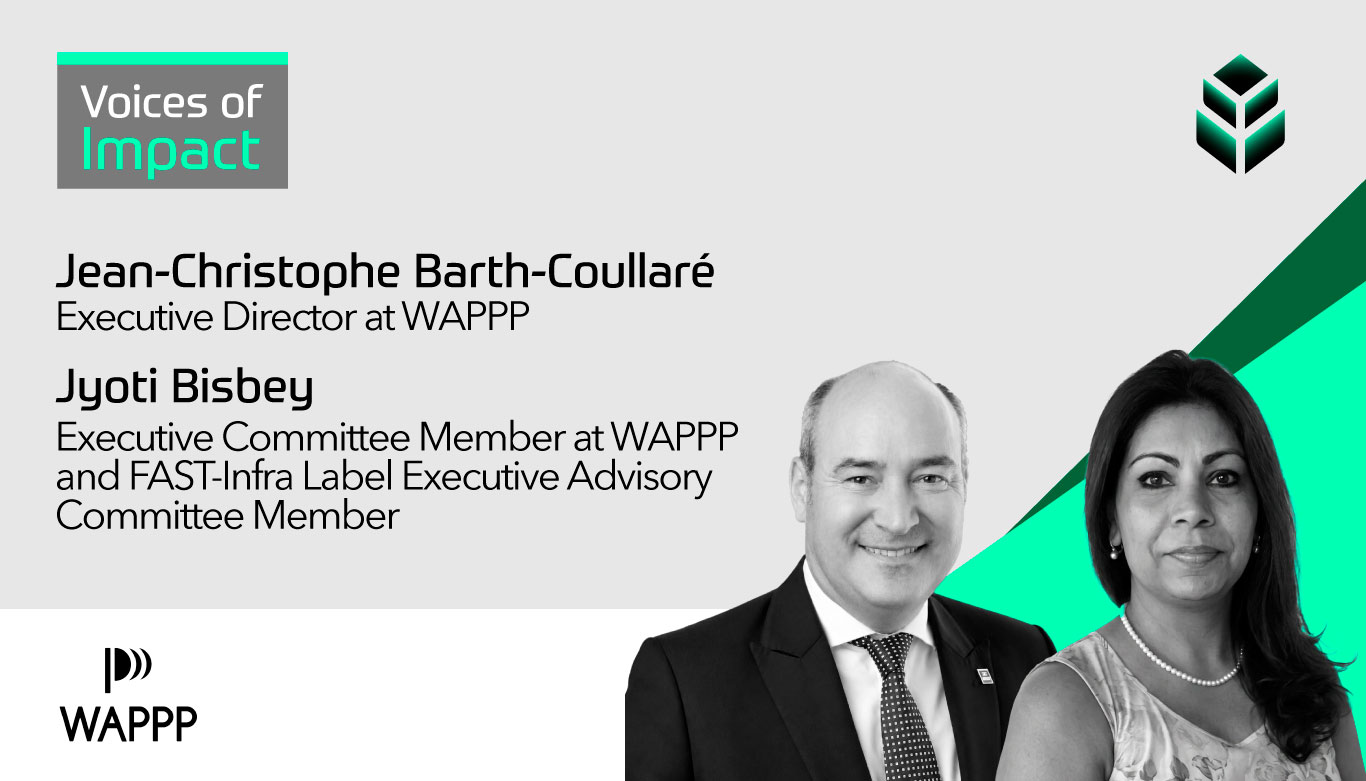
Strengthening PPPs through Standardisation and Mediation for Sustainable Infrastructure
What’s a Rich Text element?
The rich text element allows you to create and format headings, paragraphs, blockquotes, images, and video all in one place instead of having to add and format them individually. Just double-click and easily create content.
H1
H2
H3
H4
H5
H6


Static and dynamic content editing
A rich text element can be used with static or dynamic content. For static content, just drop it into any page and begin editing. For dynamic content,
add a rich text field to any collection and then connect a rich text element to that field in the settings panel. Vsadsadsdasdasdasdasdoila!
- A rich text element can be used with static or dynamic content. For static content, just drop it into any page and begin editing. For dynamic content, add a rich text field to any collection and then connect a rich text element to that field in the settings panel. Voila!
- t to that field
- t to that field
-
How to customize formatting for each rich text
How to customize formatting for each rich text
How to customize formatting for each rich text
Headings, paragraphs, blockquotes, figures, images, and figure captions can all be styled after a class is added to the rich text element using the "When inside of" nested selector system.
What’s a Rich Text element?
The rich text element allows you to create and format headings, paragraphs, blockquotes, images, and video all in one place instead of having to add and format them individually. Just double-click and easily create content.
H1
H2
H3
H4
H5
H6
Static and dynamic content editing
A rich text element can be used with static or dynamic content. For static content, just drop it into any page and begin editing. For dynamic content,
add a rich text field to any collection and then connect a rich text element to that field in the settings panel. Vsadsadsdasdasdasdasdoila!
- A rich text element can be used with static or dynamic content. For static content, just drop it into any page and begin editing. For dynamic content, add a rich text field to any collection and then connect a rich text element to that field in the settings panel. Voila!
- t to that field
- t to that field
-
How to customize formatting for each rich text
How to customize formatting for each rich text
How to customize formatting for each rich text
Headings, paragraphs, blockquotes, figures, images, and figure captions can all be styled after a class is added to the rich text element using the "When inside of" nested selector system.A Conversation with Jean-Christophe Barth-Coullaré, Executive Director at WAPPP, and Jyoti Bisbey, Executive Committee Member at WAPPP and FAST-Infra Label Executive Advisory Committee Member
Public-private partnerships (PPPs) play a central role in delivering infrastructure by bringing together government bodies and private sector organisations under structured contractual arrangements. These partnerships are often long-term in nature and involve complex risk-sharing mechanisms, particularly across extended concession periods.
In this conversation, Jean Christophe Barth-Coullare and Jyoti Bisbey discuss the importance of standardisation and mediation in strengthening PPP frameworks, improving coordination, and supporting sustainable infrastructure development.They also highlight the role of the FAST-Infra Label in advancing transparency, consistency, and the integration of sustainability considerations across infrastructure projects.
How can standardisation improve the structuring and delivery of PPP projects?
Standardisation helps reduce inconsistencies that often arise in PPP frameworks, particularly given the complexity of long-term contracts and the number of stakeholders involved. By aligning approaches to risk allocation, procurement, and evaluation, it allows projects to be structured more coherently and compared more effectively across markets.
It also supports a broader shift in how projects are assessed. Rather than focusing only on immediate financial efficiency, there is increasing attention on long-term performance, including sustainability and resilience. Incorporating these elements into standardised frameworks makes it easier to account for them consistently during planning and implementation.
Frameworks such as the FAST-Infra Label contribute to this by providing a common language for integrating environmental, social, and governance considerations into infrastructure projects.
Why is mediation particularly suited to managing disputes in long-term PPP arrangements, and how can it be effectively embedded into contracts?
Disputes in PPP projects are often linked to changing conditions over time, rather than isolated contractual disagreements. Mediation is suited to this context because it allows parties to address issues as they emerge, without relying on formal legal escalation.
It provides a structured setting for discussion, where stakeholders can examine underlying concerns and identify workable adjustments. This is particularly relevant in long-term arrangements, where maintaining a functional working relationship is necessary for ongoing delivery. By enabling earlier intervention and more flexible outcomes, mediation can limit delays and reduce the likelihood of disputes escalating into more formal and resource-intensive processes.
For mediation to be effective in practice, it needs to be built into PPP contracts from the outset rather than introduced after disputes have intensified. This typically involves clauses that require or encourage mediation before other forms of dispute resolution are pursued. The design of these mechanisms is important, provisions such as mixed-mode clauses or the use of dispute boards can help ensure that issues are addressed in a timely and structured way.
Another consideration is the level of familiarity among stakeholders. Mediation is often underutilised due to limited understanding of how it works. Addressing this through training or the inclusion of experienced mediators can improve its application and ensure that it functions as intended within long-term PPP arrangements.
How do standardisation and mediation together contribute to more sustainable PPP outcomes?
Standardisation and mediation serve complementary roles within PPP frameworks. While standardisation provides clarity, consistency, and transparency, mediation enables adaptability in the face of evolving challenges.
This balance is particularly relevant as sustainability and resilience considerations become more prominent in infrastructure development. Mediation offers an accessible way to address these concerns, especially for stakeholders who may be less equipped to engage in formal legal systems.
At the same time, frameworks such as the FAST-Infra Label enhance transparency by enabling clearer communication of performance, risks, and outcomes, supporting stronger collaboration and more resilient infrastructure delivery.
Further Reading














.webp)
.webp)


.webp)
.webp)
.webp)
.webp)

.webp)







.webp)
.webp)




To stay in the loop, subscribe to our news and updates.

