
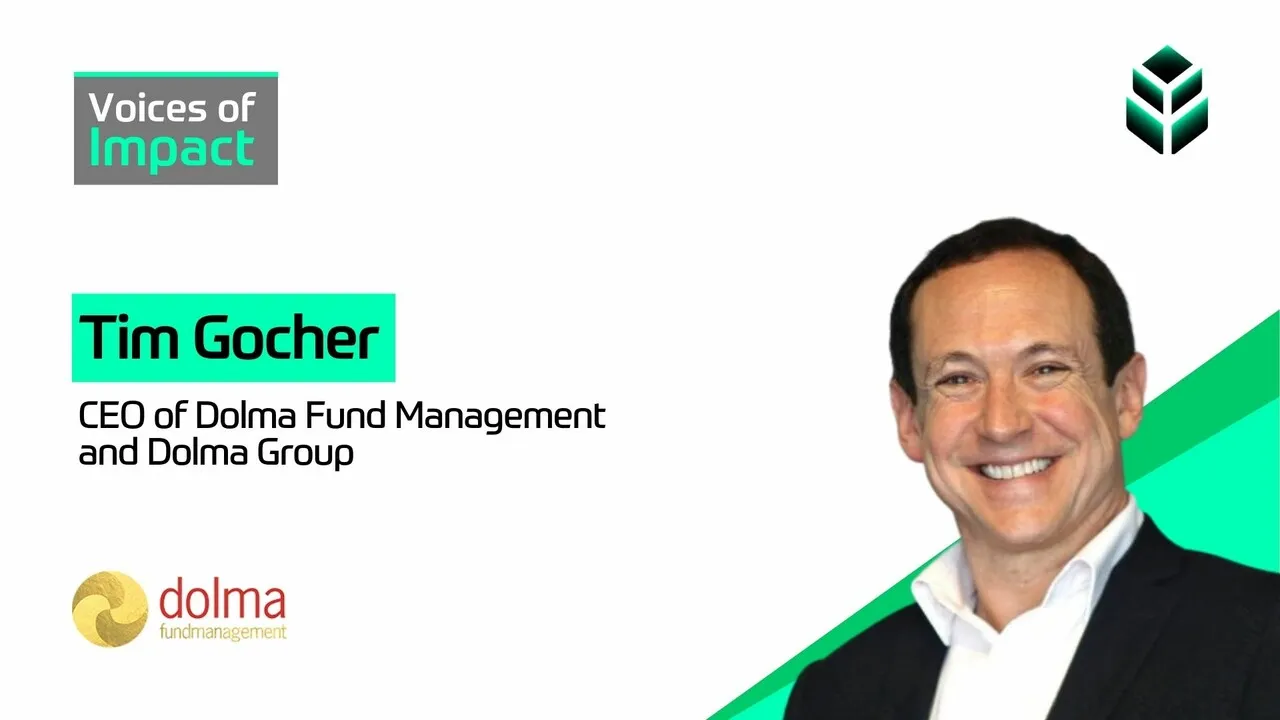
Investing Foreign Capital in Nepal
What’s a Rich Text element?
The rich text element allows you to create and format headings, paragraphs, blockquotes, images, and video all in one place instead of having to add and format them individually. Just double-click and easily create content.
H1
H2
H3
H4
H5
H6


Static and dynamic content editing
A rich text element can be used with static or dynamic content. For static content, just drop it into any page and begin editing. For dynamic content,
add a rich text field to any collection and then connect a rich text element to that field in the settings panel. Vsadsadsdasdasdasdasdoila!
- A rich text element can be used with static or dynamic content. For static content, just drop it into any page and begin editing. For dynamic content, add a rich text field to any collection and then connect a rich text element to that field in the settings panel. Voila!
- t to that field
- t to that field
-
How to customize formatting for each rich text
How to customize formatting for each rich text
How to customize formatting for each rich text
Headings, paragraphs, blockquotes, figures, images, and figure captions can all be styled after a class is added to the rich text element using the "When inside of" nested selector system.
What’s a Rich Text element?
The rich text element allows you to create and format headings, paragraphs, blockquotes, images, and video all in one place instead of having to add and format them individually. Just double-click and easily create content.
H1
H2
H3
H4
H5
H6
Static and dynamic content editing
A rich text element can be used with static or dynamic content. For static content, just drop it into any page and begin editing. For dynamic content,
add a rich text field to any collection and then connect a rich text element to that field in the settings panel. Vsadsadsdasdasdasdasdoila!
- A rich text element can be used with static or dynamic content. For static content, just drop it into any page and begin editing. For dynamic content, add a rich text field to any collection and then connect a rich text element to that field in the settings panel. Voila!
- t to that field
- t to that field
-
How to customize formatting for each rich text
How to customize formatting for each rich text
How to customize formatting for each rich text
Headings, paragraphs, blockquotes, figures, images, and figure captions can all be styled after a class is added to the rich text element using the "When inside of" nested selector system.A Conversation with Tim Gocher, CEO of Dolma Fund Management and Dolma Group
Nepal is a country of 30 million people with substantial infrastructure needs and long-standing constraints on access to long-term capital. Over the past decade, Dolma Fund Management has played a central role in channeling foreign investment into the country, particularly in renewable energy and essential services.
In this conversation, Tim Gocher, Founder and CEO of Dolma Fund Management and Dolma Group, reflects on the firm’s investment strategy, the realities of operating in Nepal’s regulatory and political environment, and the role of investor-led standards and sustainability frameworks in de-risking long-term infrastructure investment.
How did Dolma Fund Management position itself as a long term investor in Nepal, and what defines its investment strategy today?
Dolma Fund Management is a private equity fund manager specializing in Nepal, focused on sectors where long-term capital can deliver both commercial returns and measurable impact. In infrastructure, this primarily means renewable energy, particularly hydropower and solar, which align with Nepal’s natural resources and development priorities.
Today, Dolma is one of the largest foreign equity investors in Nepal’s renewable energy sector, with approximately 160 megawatts of assets in its portfolio. The firm has been a first mover in integrating Nepal’s capital markets into its investment approach, listing two hydropower companies on the Nepal Stock Exchange and becoming the first foreign direct investor to both list and sell shares locally.
Beyond energy, the portfolio includes hospitals and the country’s largest internet service provider, which is developing Nepal’s first international-standard data centre. Dolma manages two funds backed largely by development finance institutions and long-term institutional investors, and is preparing to raise a third fund. The strategy is explicitly patient, built on deep local presence and sustained regulatory engagement.
What are the principal challenges of investing in infrastructure in Nepal, and how does Dolma Fund Management navigate political change, bureaucracy, and regulation?
Infrastructure investment in Nepal requires persistence and long-term engagement. Bureaucratic processes can be slow, and frequent changes in government require ongoing relationship-building. Recent protests and interim governments reflect a longer pattern of political transition rather than a breakdown of institutional continuity.
Despite political change, Nepal has maintained a strong commitment to the rule of law in commercial matters. Over more than thirty years, the Nepal Electricity Authority, the sole counterparty to power purchase agreements, has never defaulted, providing a critical foundation of confidence for long-term investors.
Another challenge relates to regulatory standards, particularly in environmental, social, and governance matters. Domestic regulations often fall short of international expectations. Higher investor-led standards, including adherence to IFC Performance Standards, are therefore applied to ensure project quality and risk management.
As an early entrant, initial investments required navigating unfamiliar systems. In some cases, approvals to bring foreign capital into Nepal took more than a year. Today, similar approvals can take only a few months, reflecting how early investments helped open channels for subsequent investors.
How does Dolma Fund Management integrate sustainability frameworks, such as the FAST-Infra Label, into long term infrastructure investments?
Impact is embedded directly into investment design and execution. One example is Nepal’s stock exchange regulation requiring that 10% of equity in listed energy projects be allocated at a discount to project-affected communities. This enables rural populations to participate directly in infrastructure ownership.
Participation also requires opening bank and dematerialized trading accounts, often providing first-time access to the formal financial system. This supports financial inclusion while strengthening alignment between projects and local communities.
To strengthen measurement, reporting, and communication with investors, we are applying the FAST-Infra Label, beginning with the Seti Khola hydropower project. The label complements existing frameworks such as IFC Performance Standards and the 2X Challenge, providing standardized benchmarks that support project-specific equity and debt financing and improve transparency for international institutional investors.
Investor-led standards also guide social and environmental risk management at the project level. At the Seti Khola project, a vulnerable informal settlement was identified along a flood-prone riverbank. Although domestic regulations did not require intervention, higher standards aligned with IFC Performance Standards did.
In collaboration with local authorities and project partners, approximately 25 households were relocated to higher ground with access to safe housing, clean water, and electricity. This reduced long-term risk while delivering tangible community benefits.
Closing Reflection
Experience in Nepal demonstrates that successful infrastructure investment depends as much on building standards, processes, and trust as on deploying capital. By combining patient capital, local engagement, investor-led standards, and standardized sustainability frameworks such as FAST-Infra Label, long-term infrastructure investment can be de-risked while delivering economic, social, and environmental outcomes. As Nepal continues to expand its renewable energy and infrastructure capacity, these approaches will be increasingly important in attracting capital at scale and supporting long-term, inclusive development.
Further Reading









.webp)
.webp)


.webp)
.webp)
.webp)
.webp)
.webp)







.webp)
.webp)




To stay in the loop, subscribe to our news and updates.

