
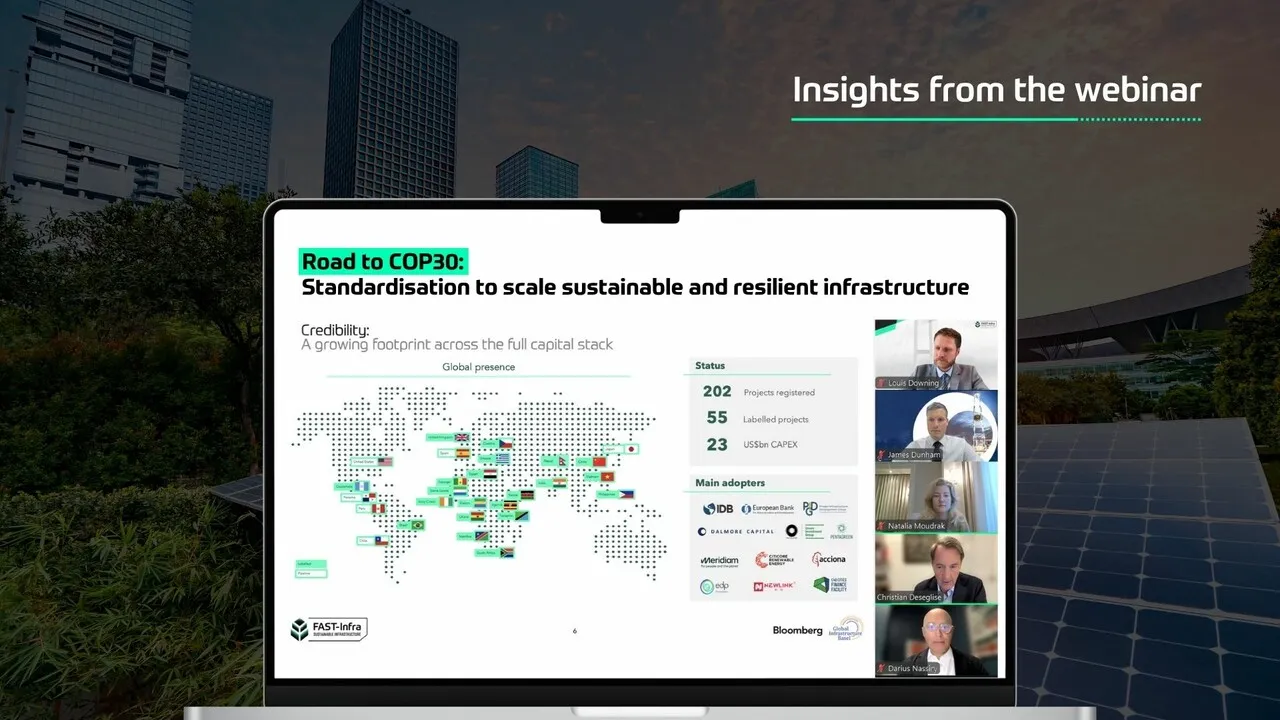
Road to COP30: Standardisation to Scale Sustainable and Resilient Infrastructure
What’s a Rich Text element?
The rich text element allows you to create and format headings, paragraphs, blockquotes, images, and video all in one place instead of having to add and format them individually. Just double-click and easily create content.
H1
H2
H3
H4
H5
H6


Static and dynamic content editing
A rich text element can be used with static or dynamic content. For static content, just drop it into any page and begin editing. For dynamic content,
add a rich text field to any collection and then connect a rich text element to that field in the settings panel. Vsadsadsdasdasdasdasdoila!
- A rich text element can be used with static or dynamic content. For static content, just drop it into any page and begin editing. For dynamic content, add a rich text field to any collection and then connect a rich text element to that field in the settings panel. Voila!
- t to that field
- t to that field
-
How to customize formatting for each rich text
How to customize formatting for each rich text
How to customize formatting for each rich text
Headings, paragraphs, blockquotes, figures, images, and figure captions can all be styled after a class is added to the rich text element using the "When inside of" nested selector system.
What’s a Rich Text element?
The rich text element allows you to create and format headings, paragraphs, blockquotes, images, and video all in one place instead of having to add and format them individually. Just double-click and easily create content.
H1
H2
H3
H4
H5
H6
Static and dynamic content editing
A rich text element can be used with static or dynamic content. For static content, just drop it into any page and begin editing. For dynamic content,
add a rich text field to any collection and then connect a rich text element to that field in the settings panel. Vsadsadsdasdasdasdasdoila!
- A rich text element can be used with static or dynamic content. For static content, just drop it into any page and begin editing. For dynamic content, add a rich text field to any collection and then connect a rich text element to that field in the settings panel. Voila!
- t to that field
- t to that field
-
How to customize formatting for each rich text
How to customize formatting for each rich text
How to customize formatting for each rich text
Headings, paragraphs, blockquotes, figures, images, and figure captions can all be styled after a class is added to the rich text element using the "When inside of" nested selector system.The upcoming COP30 summit is a milestone to reflect on the urgent need for sustainable and resilient infrastructure and to address the persistent financing gaps that hinder its development worldwide. Investment in climate finance and infrastructure reached $1.9 trillion last year, yet it falls far short of the estimated $6.9 trillion needed annually, a gap that is projected to rise to $9 trillion by 2050. The consequences of this shortfall are already evident, with natural disasters causing $368 billion in losses in 2024, of which only 40% were insured. Closing this gap requires rethinking systems, accelerating funding mechanisms, and identifying new tools to scale impact.
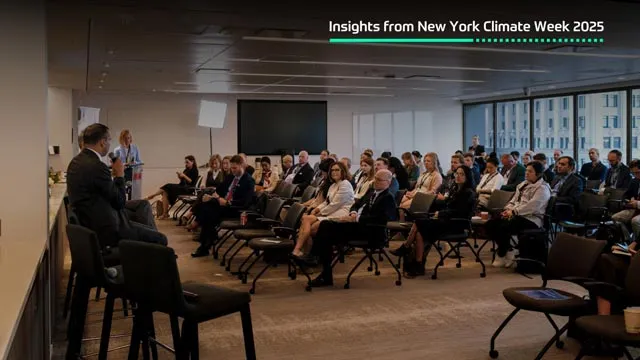
The webinar “Road to COP: Standardisation to Scale Sustainable and Resilient Infrastructure”, hosted by the Global Infrastructure Basel Foundation (GIB), Secretariat of the FAST-Infra Label, explored how credible standards can create trust, unlock investment, and transform resilient infrastructure into an investable asset class. The webinar was moderated by Louis Downing, CEO of GIB and featured insights from panelists Christian Deseglise, Board Member, Global Infrastructure Basel Foundation (GIB); Darius Nassiry, Senior Fellow, Columbia Center on Sustainable Investment; James Dunham, Director of Sustainability, Dalmore Capital and Natalia Moudrak, Managing Director, Climate Risk Advisory, Aon. Here below key insights from the webinar:
Embedding resilience in infrastructure creates long-term value.
Christian Deseglise, Board Member, Global Infrastructure Basel Foundation (GIB), emphasized that for infrastructure to succeed, it must take into account both climate risks and economic opportunities. He noted that natural disasters are already causing massive economic losses and that early integration of resilience can drastically reduce long-term costs. He also highlighted the importance of the creation of financial mechanisms to reward resilient infrastructure and elevate quality as a core investment criterion.
"When resilience is embedded from the design stage in infrastructure projects, its benefits far outweigh the costs, often in a ratio of more than 10 to 1. For the market to scale, investors need tools they can trust, credible standards, verified data, and benchmarks. That’s exactly what the FAST-Infra Label provides.”
Standardisation provides a shared framework that builds trust and accelerates scale.
The panel highlighted how standardisation brings structure to a fragmented infrastructure market, enabling coordination, comparability, and accelerated learning.
Darius Nassiry, Senior Fellow, Columbia Center on Sustainable Investment explained how standardisation provides a shared framework for developers, financiers, and practitioners, reducing duplication and speeding up learning.
“Now we have a common shared language — a meta-standard, to understand the sustainability and resilience dimensions of infrastructure. It shortens the timeframe for learning and reduces coordination costs among developers, financiers, and practitioners.”
Natalia Moudrak, Managing Director, Climate Risk Advisory, Aon, represented the insurance sector, stressing the urgent need to embed resilience from the outset of infrastructure projects. She highlighted the importance of early collaboration between engineers, financiers, insurers, and legal experts to ensure projects are resilient by design.
“Every new asset must be built resilient, and every major retrofit should embed resilience as well. The FAST-Infra Label provides the framing for what good looks like.”
FAST-Infra Label as a strategic lever to scale and attract investment
James Dunham, Director of Sustainability, Dalmore Capital, offered an investor perspective, highlighting how standards like FAST-Infra Label integrate sustainability into fiduciary responsibility. He explained that the Label helps shift sustainability from a compliance requirement into a strategic tool that builds trust, identifies risks, and strengthens governance.
“Standards like FAST-Infra help us frame sustainability beyond just compliance — as a strategic lever for building trust, attracting capital, and delivering enduring value.”
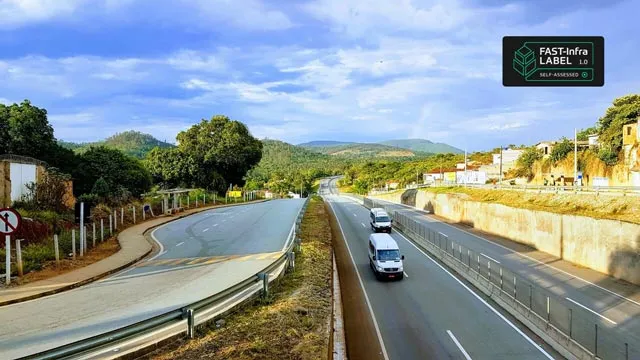
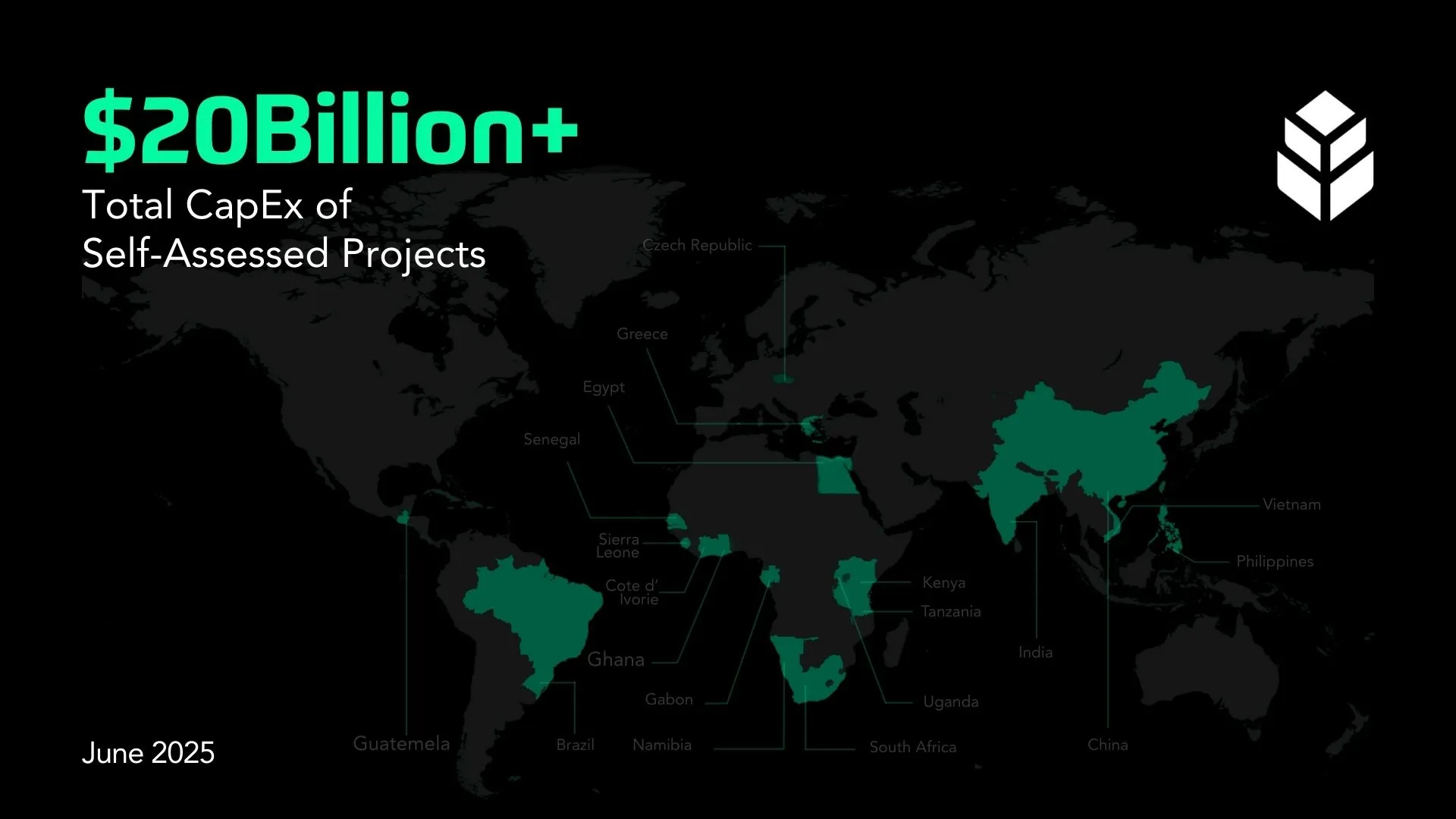
With over 55 projects globally self-assessed, totaling more than $20 billion in capital expenditure, FAST-Infra Label provides a solid foundation for scaling sustainable and resilient infrastructure.
Christian Deseglise noted that the next step is broader adoption and implementation of the FAST-Infra Label across the industry. By self-assessing projects using the Label, developers and investors can help embed sustainability and resilience as standard practice.
Take the first step today by self-assessing your infrastructure project using the FAST-Infra Label framework. The self-assessment helps you evaluate sustainability and resilience performance, identify improvement opportunities, and showcase your project to investors.
Register your project and start the self-assessment here.
Further Reading
















.webp)
.webp)


.webp)
.webp)
.webp)
.webp)
.webp)








.webp)
.webp)





To stay in the loop, subscribe to our news and updates.

