
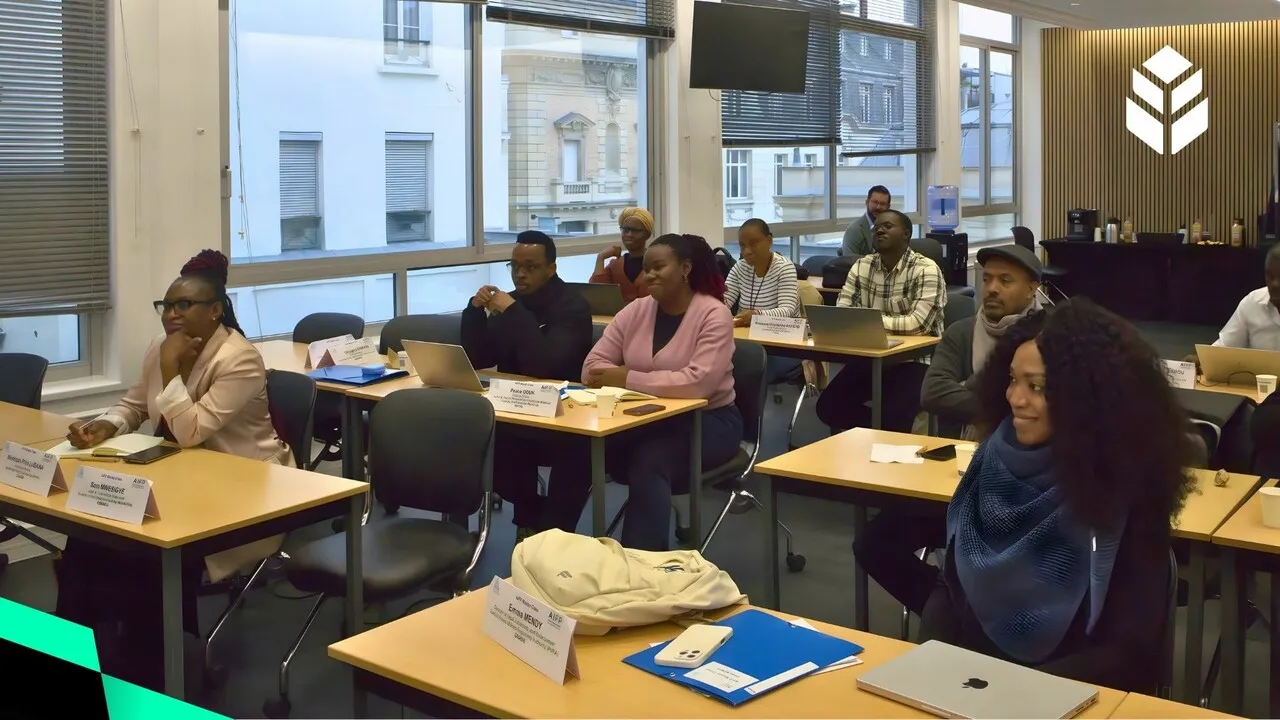
Africa Infrastructure Fellowship Program (AIFP) – GIB/FAST Lecture
What’s a Rich Text element?
The rich text element allows you to create and format headings, paragraphs, blockquotes, images, and video all in one place instead of having to add and format them individually. Just double-click and easily create content.
H1
H2
H3
H4
H5
H6


Static and dynamic content editing
A rich text element can be used with static or dynamic content. For static content, just drop it into any page and begin editing. For dynamic content,
add a rich text field to any collection and then connect a rich text element to that field in the settings panel. Vsadsadsdasdasdasdasdoila!
- A rich text element can be used with static or dynamic content. For static content, just drop it into any page and begin editing. For dynamic content, add a rich text field to any collection and then connect a rich text element to that field in the settings panel. Voila!
- t to that field
- t to that field
-
How to customize formatting for each rich text
How to customize formatting for each rich text
How to customize formatting for each rich text
Headings, paragraphs, blockquotes, figures, images, and figure captions can all be styled after a class is added to the rich text element using the "When inside of" nested selector system.
What’s a Rich Text element?
The rich text element allows you to create and format headings, paragraphs, blockquotes, images, and video all in one place instead of having to add and format them individually. Just double-click and easily create content.
H1
H2
H3
H4
H5
H6
Static and dynamic content editing
A rich text element can be used with static or dynamic content. For static content, just drop it into any page and begin editing. For dynamic content,
add a rich text field to any collection and then connect a rich text element to that field in the settings panel. Vsadsadsdasdasdasdasdoila!
- A rich text element can be used with static or dynamic content. For static content, just drop it into any page and begin editing. For dynamic content, add a rich text field to any collection and then connect a rich text element to that field in the settings panel. Voila!
- t to that field
- t to that field
-
How to customize formatting for each rich text
How to customize formatting for each rich text
How to customize formatting for each rich text
Headings, paragraphs, blockquotes, figures, images, and figure captions can all be styled after a class is added to the rich text element using the "When inside of" nested selector system.Introduction
The Africa Infrastructure Fellowship Program (AIFP), an initiative of the Global Infrastructure Hub, Meridiam, and the World Economic Forum, is designed to strengthen the capacity of African civil servants working in infrastructure development and procurement. Hosted by École des Ponts ParisTech, the program aims to close Africa’s infrastructure investment gap and accelerate sustainable economic growth through resilient and bankable projects.
About the programme
The AIFP offers a rich and immersive experience that blends theory with practice. Participants begin with expert-led lectures that dive deep into the complexities of infrastructure development, equipping them with the knowledge needed to navigate today’s challenges. This academic foundation is complemented by exposure to global trends during Paris Infra Week, where fellows engage with industry leaders and explore cutting-edge solutions shaping the future of infrastructure.
To ensure practical application, each participant undertakes a two-week work placement with a partner organization, gaining hands-on experience and building connections that extend beyond the classroom.
At the heart of the program lies a strong emphasis on Public-Private Partnerships (PPPs), a critical mechanism for closing Africa’s infrastructure gap. The curriculum spans essential topics such as project finance, risk management, governance, ESG principles, and resilience—providing a holistic view of what it takes to deliver sustainable and bankable projects. By fostering dialogue between public and private actors, the AIFP creates a unique space for cross-sector learning and collaboration, ultimately shaping Africa’s next generation of infrastructure leaders.
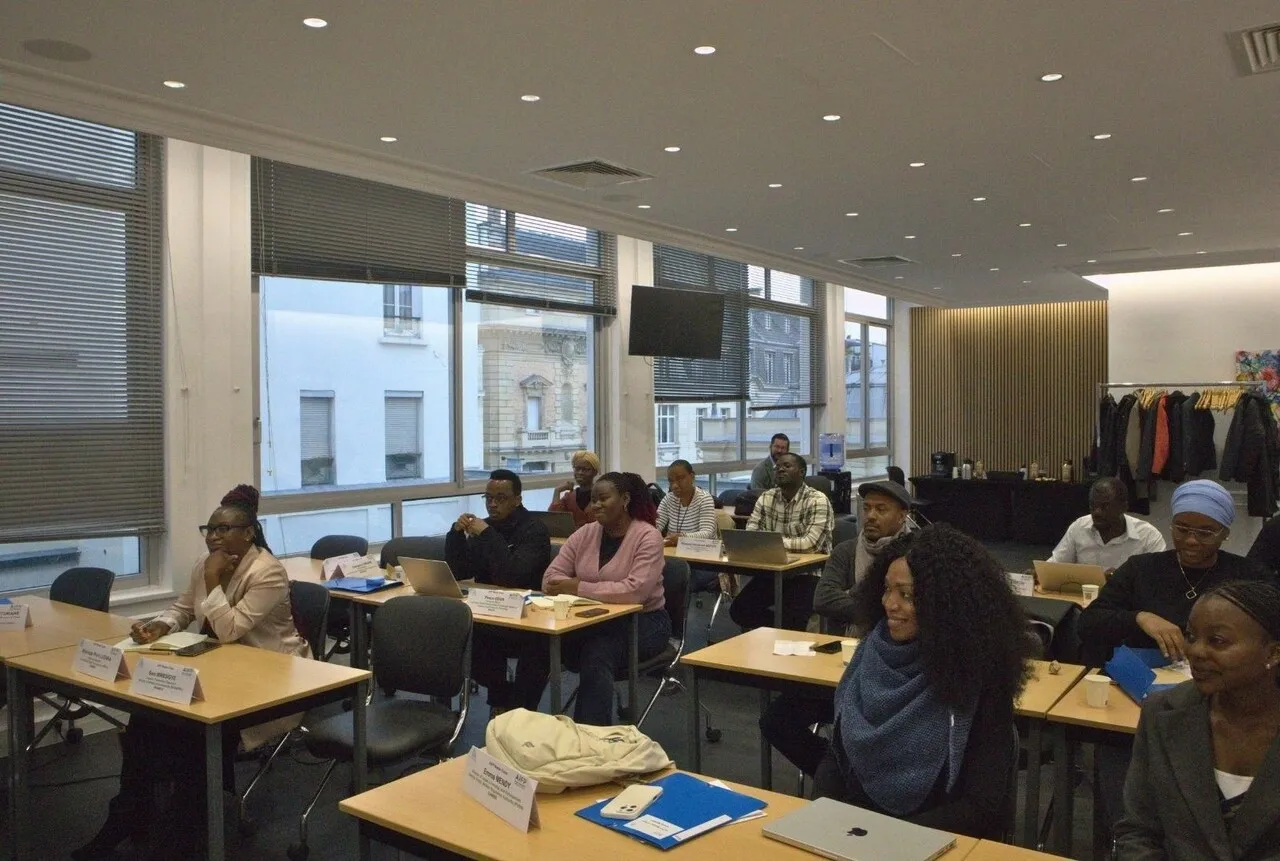
Highlights:
Titled Risk-Taming in an Uncertain World: Governance & Resilience as Drivers of Bankability, the 3 hours lecture focused on how Governance and Resilience are increasingly becoming critical determinants of project bankability despite rarely having a direct impact on project returns. After discussing the reasons behind the rising importance of what were previously neglected fields, the lecture towards the ways in which they impact bankability, positively or negatively, and how developers can improve their project’s ability to get finance through improvements in governance and/or resilience. The group of 16 participants also looked into how to use the FAST-Infra Label as a tool for project design and as a guide to identify and address governance and/or resilience specific vulnerabilities and grey areas in projects proposed by private sector actors.
Andreanne Lavoile, Capacity Building & Verification at FAST-Infra Label, said: “Resilience and Governance may not increase project return, but they play an important role in securing return and ensuring that projects run smoothly. Without adequate governance and focus on risk management and resilience, the predicted project returns may well remain just that: a prediction.”
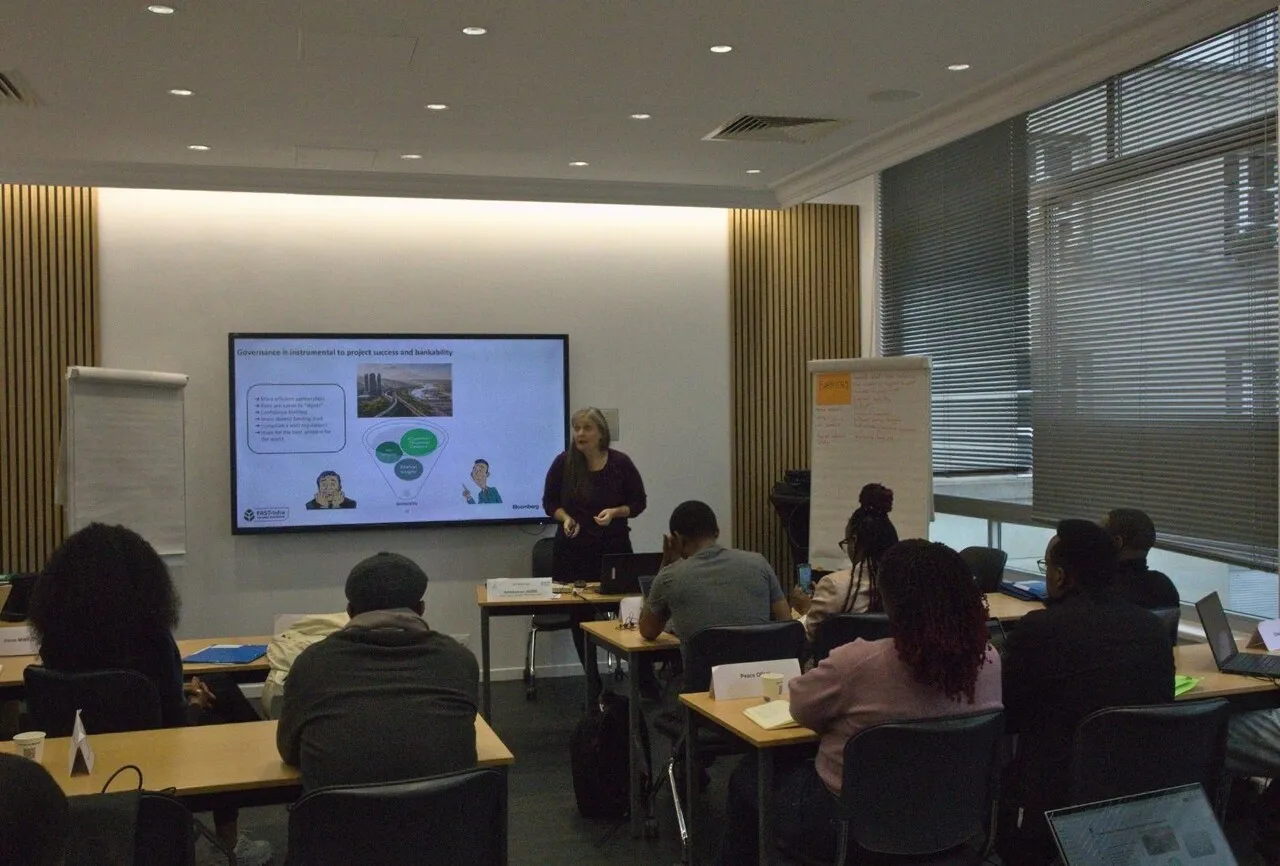
Participants of the lecture said:
"We spend years preparing infrastructure pipelines, but capital hesitates. A common, verified standard like this can help close that credibility gap.”
“The presentation clearly showed that governance is not an administrative burden, it is a strategic tool to reduce risk premiums on African projects.”
“Our challenge now is implementation, but this gives us a solid reference point to start from.”
Closing thoughts
The lecture underscored the growing importance of governance and resilience in making projects bankable and sustainable. By leveraging tools like the FAST-Infra Label, developers and policymakers can better navigate uncertainty and deliver long-term value.
Stay tuned for future engagements and similar initiatives aimed at advancing sustainable infrastructure development across Africa.
Official programme website: https://africainfrafellowship.org/en
Further Reading














.webp)
.webp)


.webp)
.webp)
.webp)
.webp)
.webp)







.webp)
.webp)




To stay in the loop, subscribe to our news and updates.

