
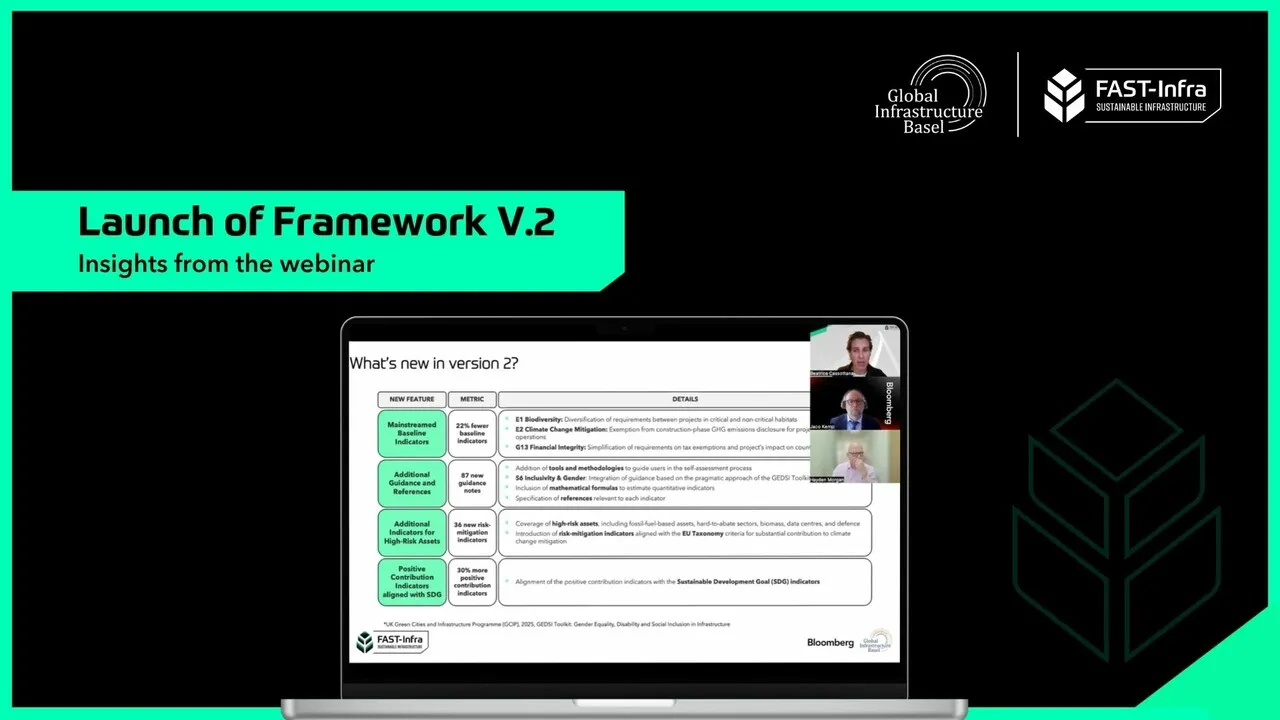
Launch of the FAST‑Infra Label Framework V2
What’s a Rich Text element?
The rich text element allows you to create and format headings, paragraphs, blockquotes, images, and video all in one place instead of having to add and format them individually. Just double-click and easily create content.
H1
H2
H3
H4
H5
H6


Static and dynamic content editing
A rich text element can be used with static or dynamic content. For static content, just drop it into any page and begin editing. For dynamic content,
add a rich text field to any collection and then connect a rich text element to that field in the settings panel. Vsadsadsdasdasdasdasdoila!
- A rich text element can be used with static or dynamic content. For static content, just drop it into any page and begin editing. For dynamic content, add a rich text field to any collection and then connect a rich text element to that field in the settings panel. Voila!
- t to that field
- t to that field
-
How to customize formatting for each rich text
How to customize formatting for each rich text
How to customize formatting for each rich text
Headings, paragraphs, blockquotes, figures, images, and figure captions can all be styled after a class is added to the rich text element using the "When inside of" nested selector system.
What’s a Rich Text element?
The rich text element allows you to create and format headings, paragraphs, blockquotes, images, and video all in one place instead of having to add and format them individually. Just double-click and easily create content.
H1
H2
H3
H4
H5
H6
Static and dynamic content editing
A rich text element can be used with static or dynamic content. For static content, just drop it into any page and begin editing. For dynamic content,
add a rich text field to any collection and then connect a rich text element to that field in the settings panel. Vsadsadsdasdasdasdasdoila!
- A rich text element can be used with static or dynamic content. For static content, just drop it into any page and begin editing. For dynamic content, add a rich text field to any collection and then connect a rich text element to that field in the settings panel. Voila!
- t to that field
- t to that field
-
How to customize formatting for each rich text
How to customize formatting for each rich text
How to customize formatting for each rich text
Headings, paragraphs, blockquotes, figures, images, and figure captions can all be styled after a class is added to the rich text element using the "When inside of" nested selector system.Start your FAST-Infra journey by accessing and registering on the Application Portal.
The recent FAST‑Infra webinar marked an important milestone for the sustainable infrastructure community with the official launch of Version 2 of the FAST‑Infra Label Framework. Building on the strong foundations of Version 1, the updated framework responds directly to market feedback while reinforcing the Label’s core objective: mobilising private capital into sustainable and resilient = infrastructure projects.
As highlighted during the session, the global infrastructure challenge remains stark. Aging assets, growing demand for essential services and escalating climate risks are widening the infrastructure investment gap - estimated at USD 18 trillion by 2040. At the same time, infrastructure underpins more than 90% of the UN Sustainable Development Goals, making the quality, resilience and inclusivity of new investments more critical than ever.
What’s new in FAST‑Infra Label Framework V.2?
Version 2 introduces a set of targeted enhancements designed to improve clarity, usability and comparability, without changing the Label’s fundamental structure:
- Streamlined baseline indicators: Requirements have been refined and consolidated, resulting in 22% fewer baseline indicators while maintaining alignment with global best practices. E.g. under the criteria E1 Biodiversity, there will be more diversification of requirements between projects in critical and non-critical habitats
- Expanded guidance: More than 80 new guidance notes provide practical tools, formulas and references to support applicants throughout the assessment process.
- Additional indicators for high‑risk assets: 36 new risk‑mitigation indicators allow higher‑risk and hard‑to‑abate assets to be assessed and aligned with the EU Taxonomy criteria for substantial contribution to climate change mitigation.
- Stronger SDG alignment: Positive contribution indicators have been more closely mapped to SDG targets, giving projects greater scope to demonstrate real‑world impact at asset level.
Together, these updates aim to reduce friction for project sponsors while strengthening the robustness of sustainability and resilience disclosures for investors and financiers.
A data‑driven, scalable approach
The webinar also showcased the enhanced FAST‑Infra Label Application Portal, operated by Bloomberg LP. While the user experience remains familiar, Version 2 introduces clearer version tracking, improved indicator visibility, guided feedback at submission stage and expanded sector coverage. This approach supports enhanced transparency, comparability and credibility of data and supports informed decision making..
Looking ahead
The FAST-Infra Label will continue to evolve. Further enhancements planned for 2025–2026 include portfolio‑level assessments, resilience and insurability add‑ons, automated renewal notifications and downloadable project summary reports - reflecting continued engagement with market users across the capital stack.
The webinar concluded with a reaffirmation of the FAST‑Infra community’s shared ambition: to support the next generation of infrastructure that is resilient, inclusive, bankable and aligned with global sustainability goals. Version 2 is a meaningful step forward in turning that ambition into action.
Start your FAST-Infra journey by accessing and registering on the Application Portal.
Further Reading

KPMG Middle East announces partnership with FAST-Infra and Global Infrastructure Basel
KPMG Middle East announces partnership with FAST-Infra and Global Infrastructure Basel
FAST-Infra Review | H1 2026: From Awareness to Adoption
FAST-Infra Review | H1 2026: From Awareness to Adoption
Brazil's first FAST-Infra Label projects awarded in São Paulo
Brazil's first FAST-Infra Label projects awarded in São Paulo
Why insurability is becoming the real test of infrastructure resilience
Why insurability is becoming the real test of infrastructure resilience
Strengthening PPPs through Standardisation and Mediation for Sustainable Infrastructure
Strengthening PPPs through Standardisation and Mediation for Sustainable Infrastructure
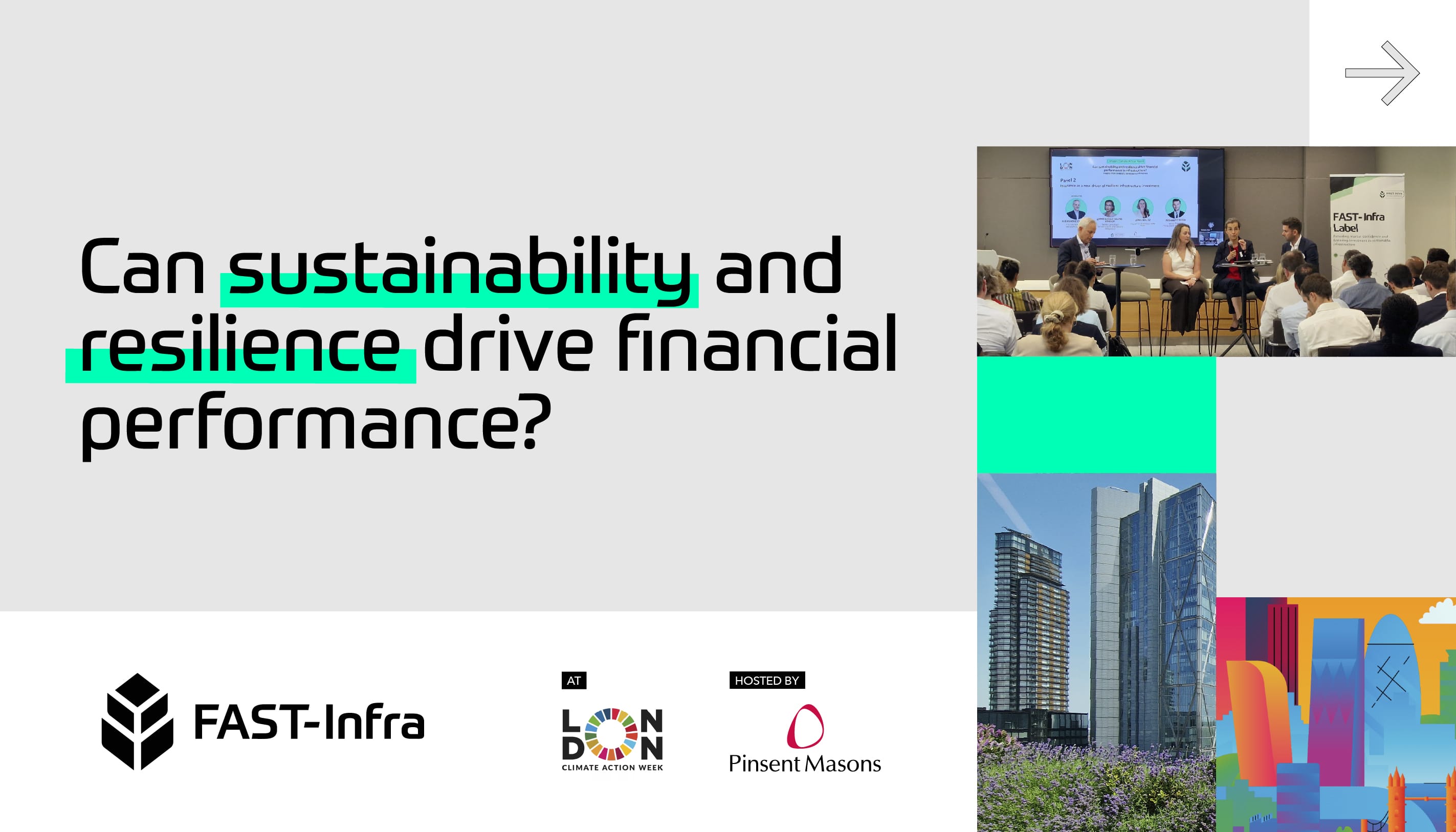
FAST-Infra at London Climate Action Week 2026: Insights from Investors, Developers, and Insurers
FAST-Infra at London Climate Action Week 2026: Insights from Investors, Developers, and Insurers
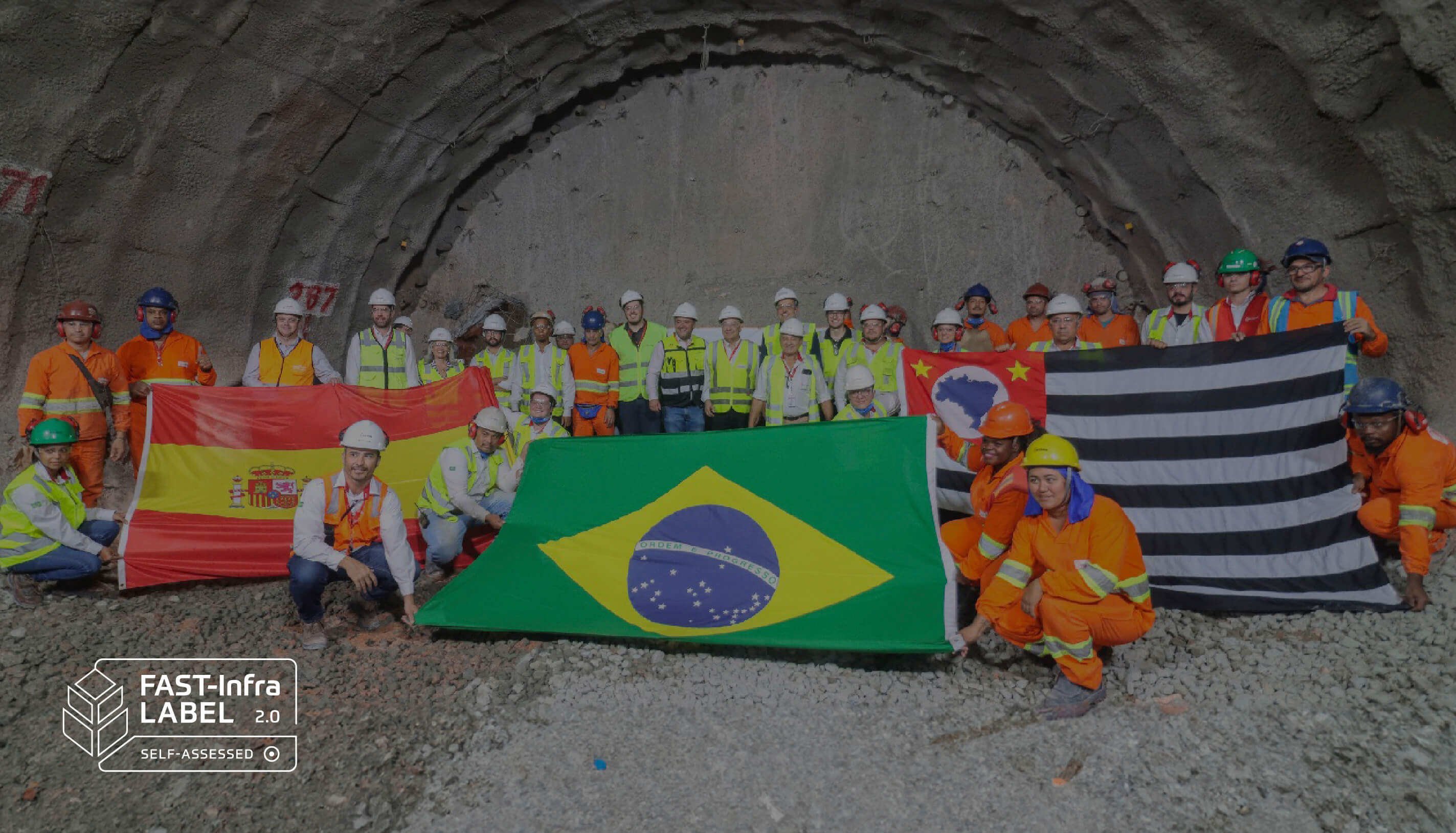
Brazil Takes a Step Forward: Multiple Infrastructure Projects Earn the FAST-Infra Self-Assessed Label
Brazil Takes a Step Forward: Multiple Infrastructure Projects Earn the FAST-Infra Self-Assessed Label

Leveraging Digital Technology for Sustainable Infrastructure Asset Management
Leveraging Digital Technology for Sustainable Infrastructure Asset Management

FAST-Infra and China’s Next Infrastructure Cycle
FAST-Infra and China’s Next Infrastructure Cycle
Investing Foreign Capital in Nepal
Investing Foreign Capital in Nepal
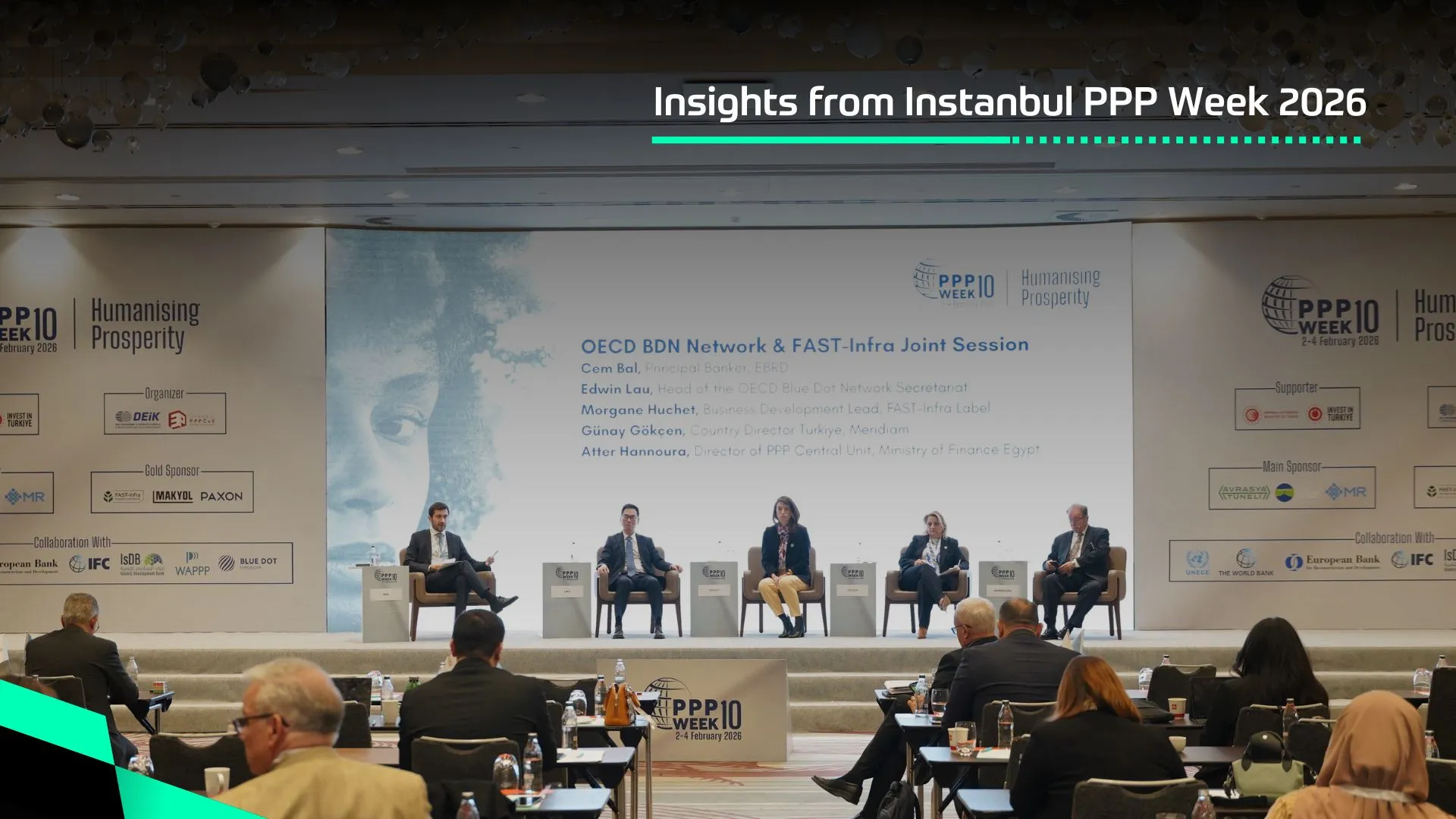
Istanbul PPP Week 2026 - event insights
Istanbul PPP Week 2026 - event insights

Africa Infrastructure Fellowship Program (AIFP) – GIB/FAST Lecture
Africa Infrastructure Fellowship Program (AIFP) – GIB/FAST Lecture
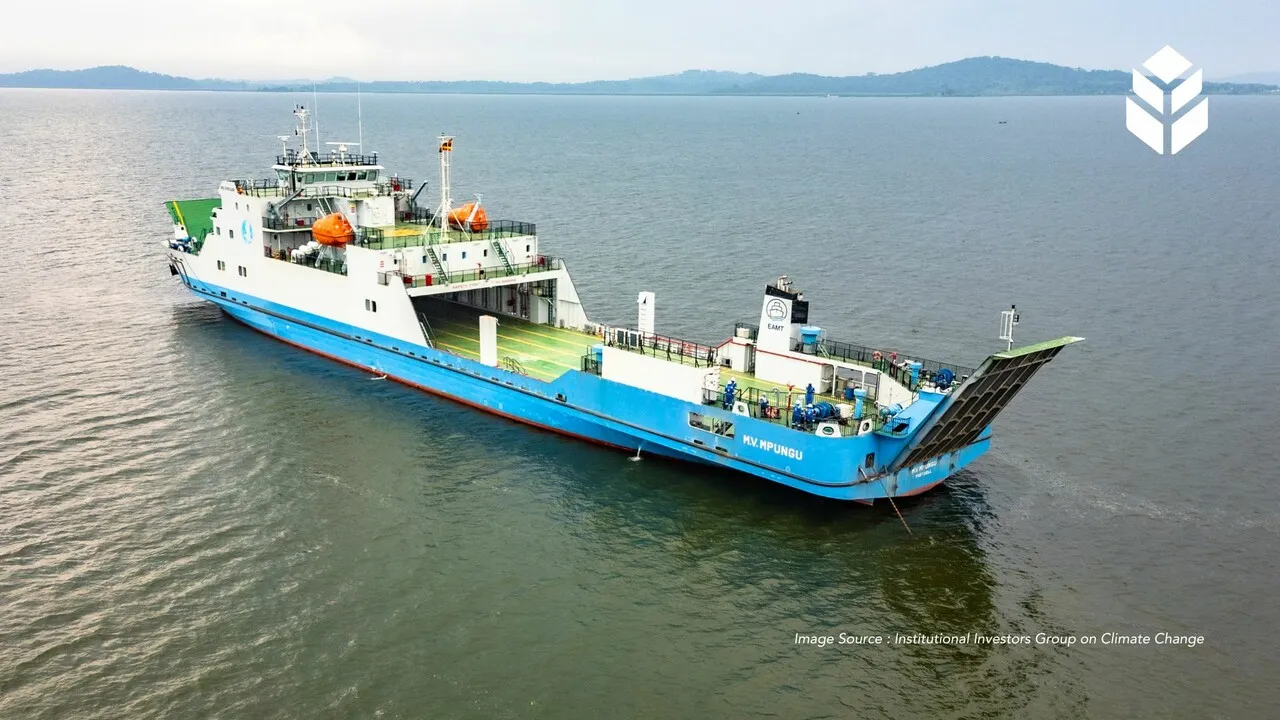
From Risk to Resilience: How PCRAM, PIDG and the FAST‑Infra Label Turn Climate Uncertainty into Investable Opportunity
From Risk to Resilience: How PCRAM, PIDG and the FAST‑Infra Label Turn Climate Uncertainty into Investable Opportunity
Advancing Regenerative and Resilient Infrastructure
Advancing Regenerative and Resilient Infrastructure
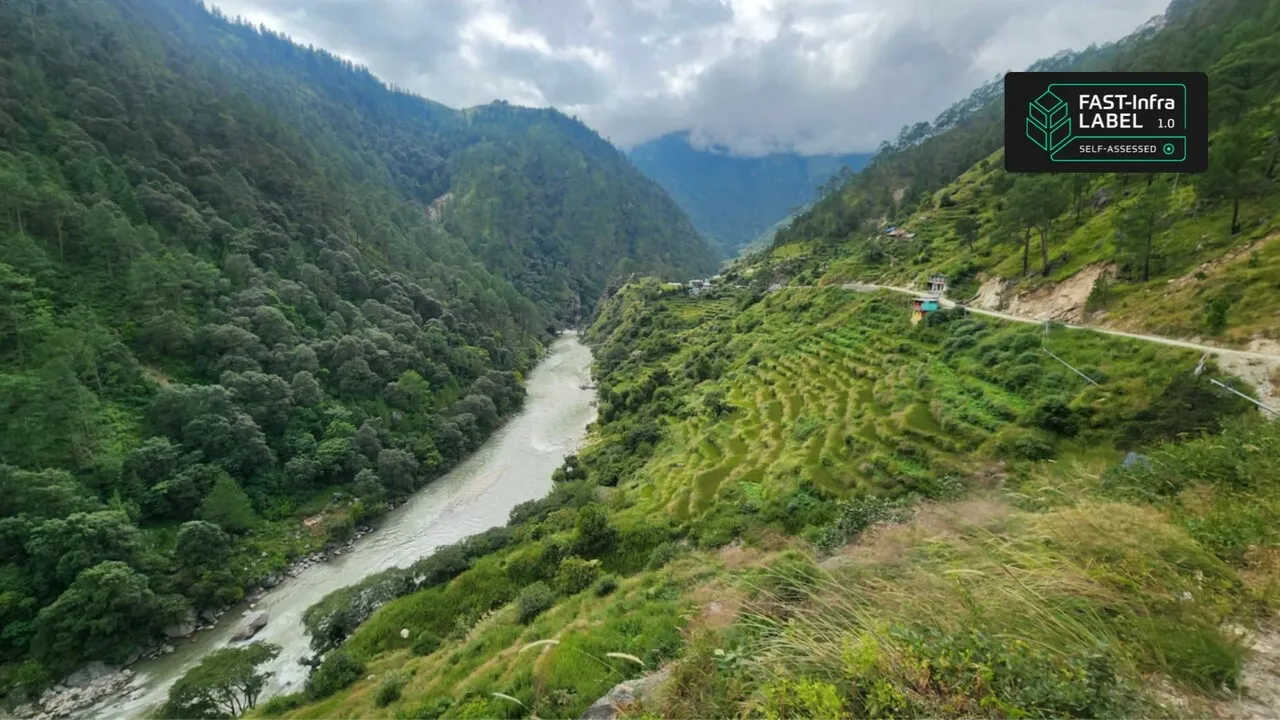
Tila-2 Hydropower Project in Karnali Province, Nepal
Tila-2 Hydropower Project in Karnali Province, Nepal

The Role of Sustainable Finance in Tackling Climate Change
The Role of Sustainable Finance in Tackling Climate Change
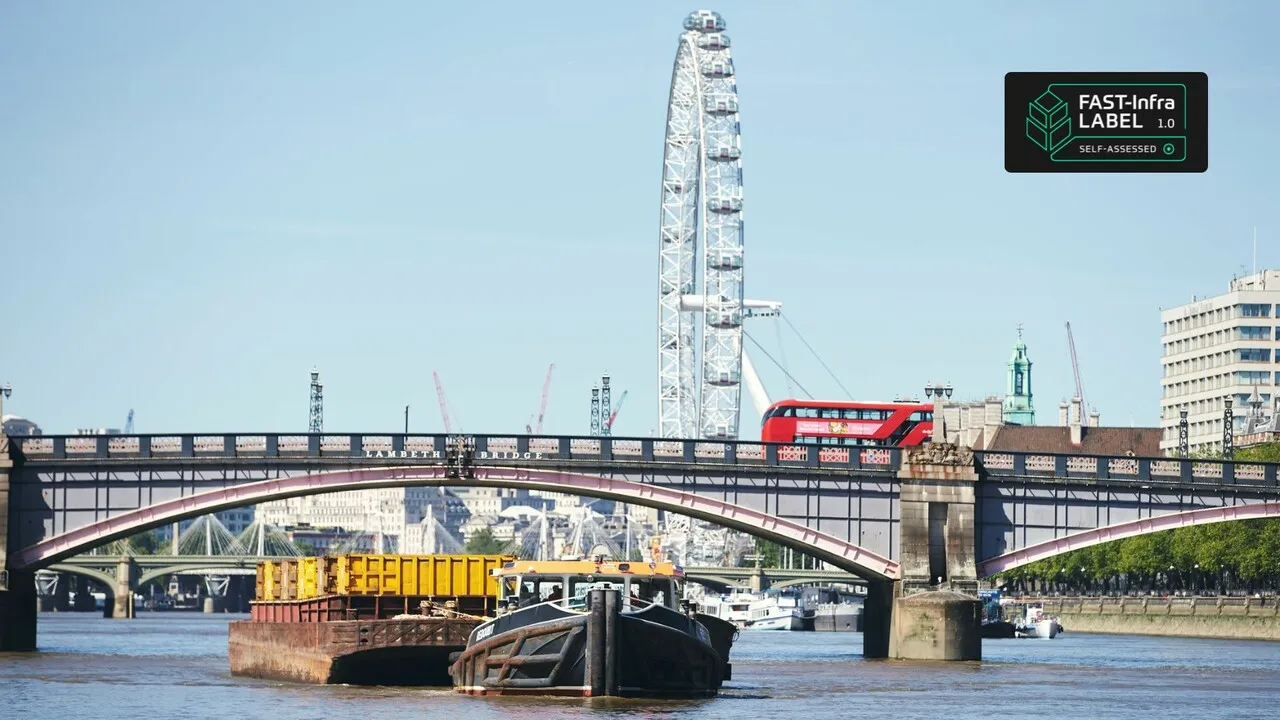
Cory Riverside: Turning London’s Waste into Reliable, Low-Carbon Power
Cory Riverside: Turning London’s Waste into Reliable, Low-Carbon Power
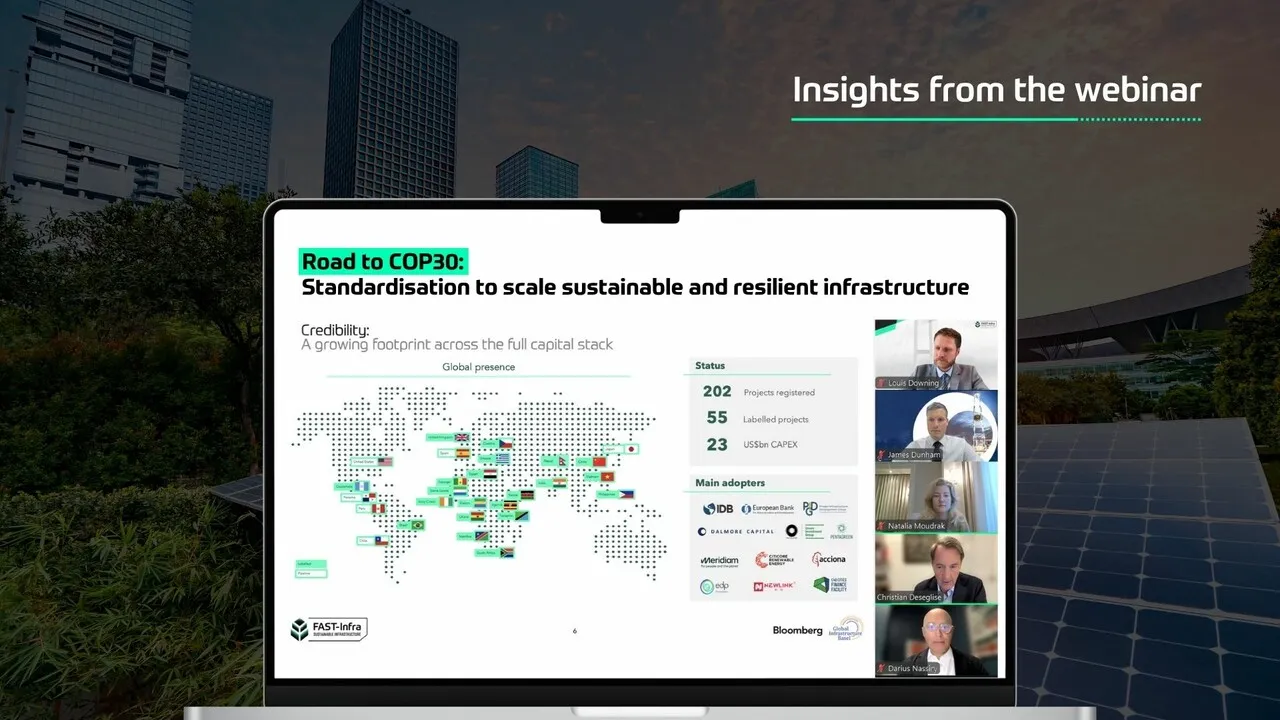
Road to COP30: Standardisation to Scale Sustainable and Resilient Infrastructure
Road to COP30: Standardisation to Scale Sustainable and Resilient Infrastructure
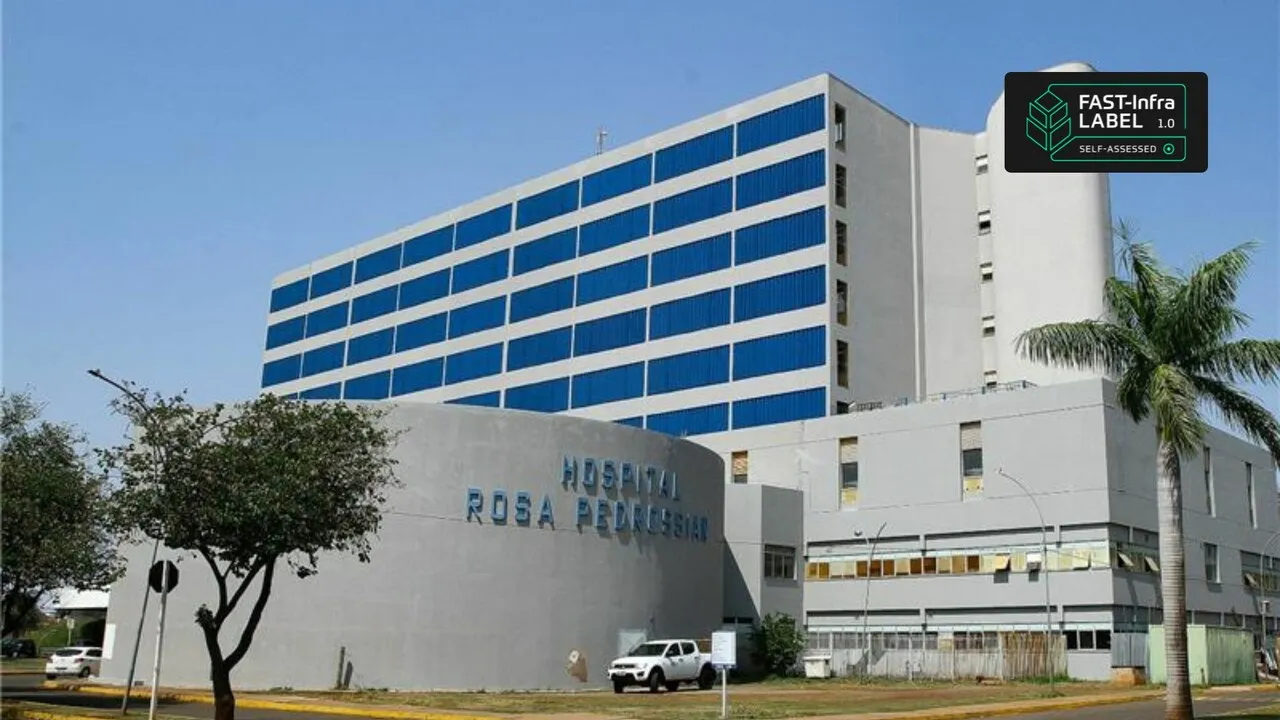
Setting a New Standard for Sustainable Healthcare in Brazil
Setting a New Standard for Sustainable Healthcare in Brazil
Unlocking Capital and Insurability
Unlocking Capital and Insurability
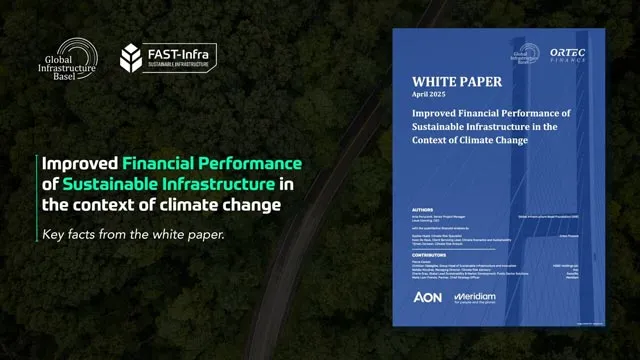
From risk to resilience, the financial case for sustainable infrastructure
From risk to resilience, the financial case for sustainable infrastructure
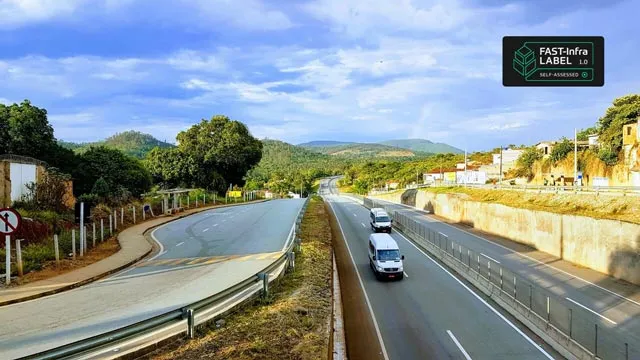
PPP Lote Ouro Preto - Estado de Minas Gerais
PPP Lote Ouro Preto - Estado de Minas Gerais
Building Sustainable and Resilient Infrastructure
Building Sustainable and Resilient Infrastructure
Mobilizing capital where it matters
Mobilizing capital where it matters
Role of Sustainable Infrastructure Labels in Turning Ambition into Action
Role of Sustainable Infrastructure Labels in Turning Ambition into Action

Announcement: Bureau Veritas as an official FAST-Infra Label Verifier
Announcement: Bureau Veritas as an official FAST-Infra Label Verifier
Scaling Climate Finance and Sustainable Infrastructure
Scaling Climate Finance and Sustainable Infrastructure
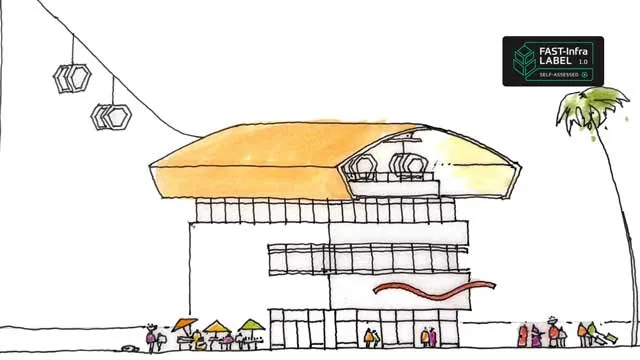
Reimagining Urban Mobility in Freetown, Sierra Leone
Reimagining Urban Mobility in Freetown, Sierra Leone
The Role of Multilateral Development Banks in Advancing Resilient Infrastructure in Asia: Insights from Timothy Huang
The Role of Multilateral Development Banks in Advancing Resilient Infrastructure in Asia: Insights from Timothy Huang
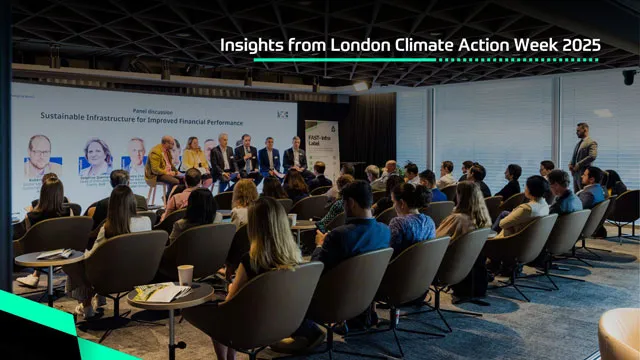
Scaling Sustainable Infrastructure: Summary and Insights from London Climate Action Week 2025
Scaling Sustainable Infrastructure: Summary and Insights from London Climate Action Week 2025
What is the Secondary Market—and Why Does it Matter for Sustainable Infrastructure?
What is the Secondary Market—and Why Does it Matter for Sustainable Infrastructure?
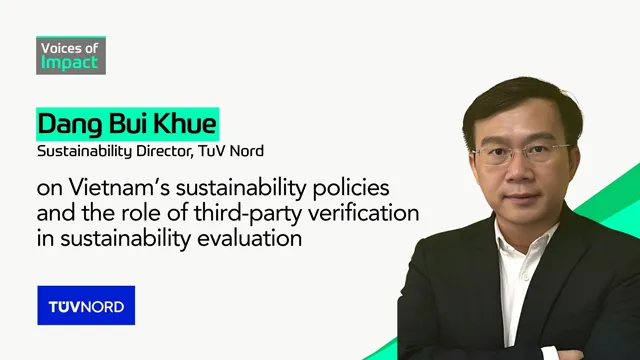
The Role of Sustainability Assurance in Shaping Vietnam’s Infrastructure Future
The Role of Sustainability Assurance in Shaping Vietnam’s Infrastructure Future
Announcing accepted projects in the FAST-Infra Access Programme
Announcing accepted projects in the FAST-Infra Access Programme
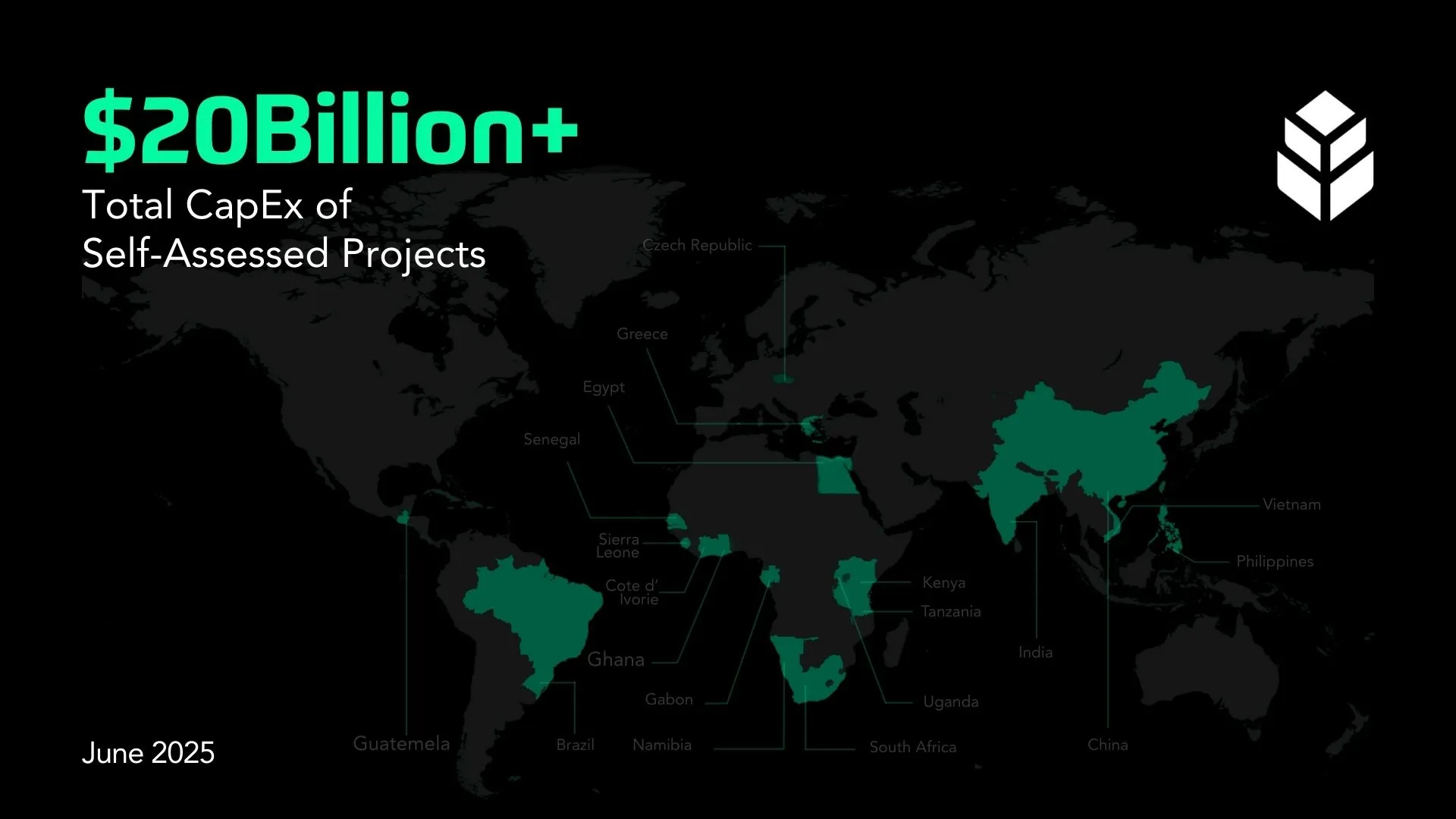
How the FAST-Infra Label is Shaping Sustainable Infrastructure: 5 Important Milestones
How the FAST-Infra Label is Shaping Sustainable Infrastructure: 5 Important Milestones
Solar PV Project for Schools in South Africa
Solar PV Project for Schools in South Africa
5 ways AI is helping us build climate-resilient infrastructure
5 ways AI is helping us build climate-resilient infrastructure
.webp)
Infrastructure in a Changing World: Financing Resilience in Infrastructure Strategies
Infrastructure in a Changing World: Financing Resilience in Infrastructure Strategies
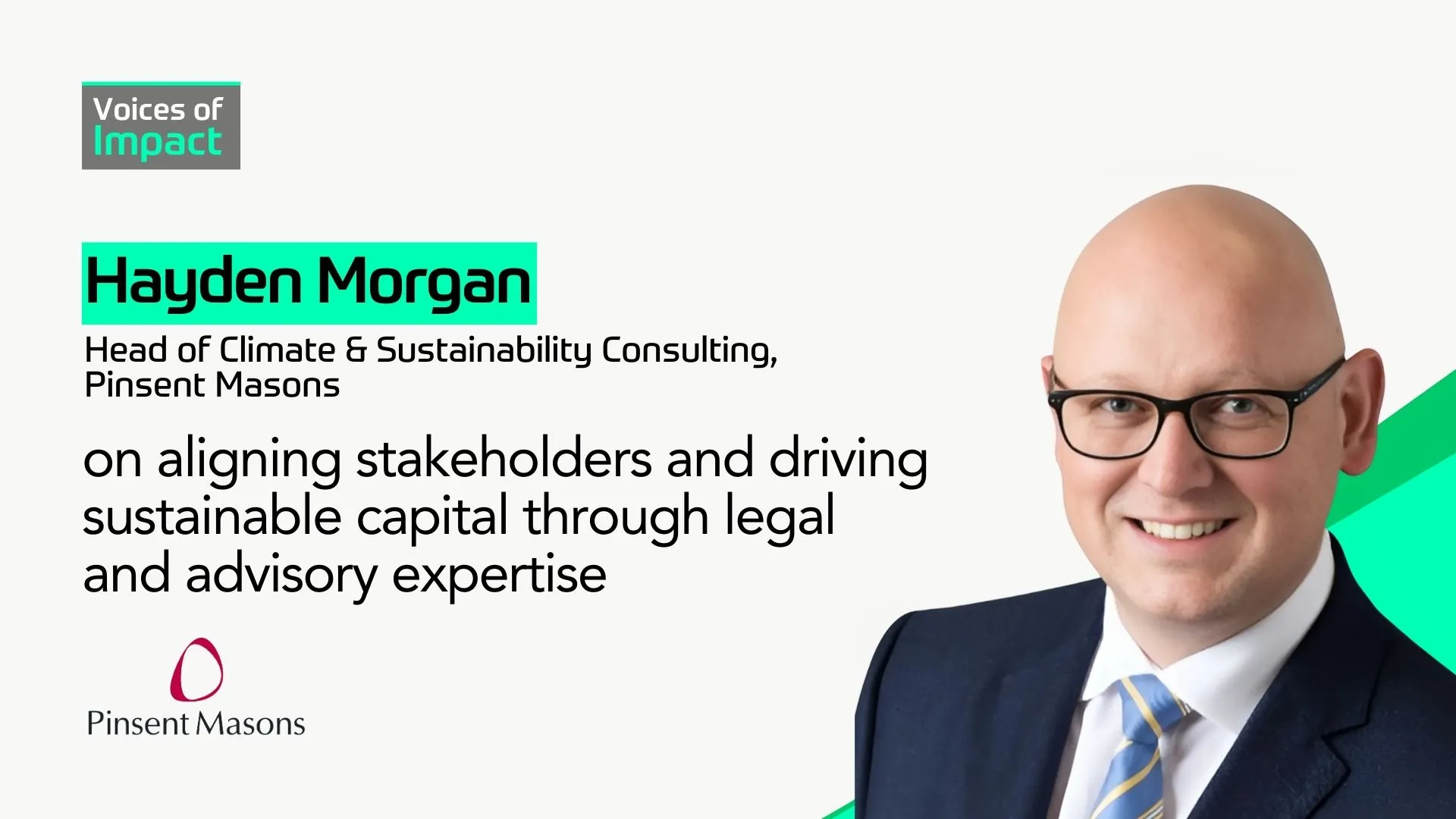
Strengthening Legal Foundations for Sustainable Infrastructure Finance: In conversation with Hayden Morgan
Strengthening Legal Foundations for Sustainable Infrastructure Finance: In conversation with Hayden Morgan
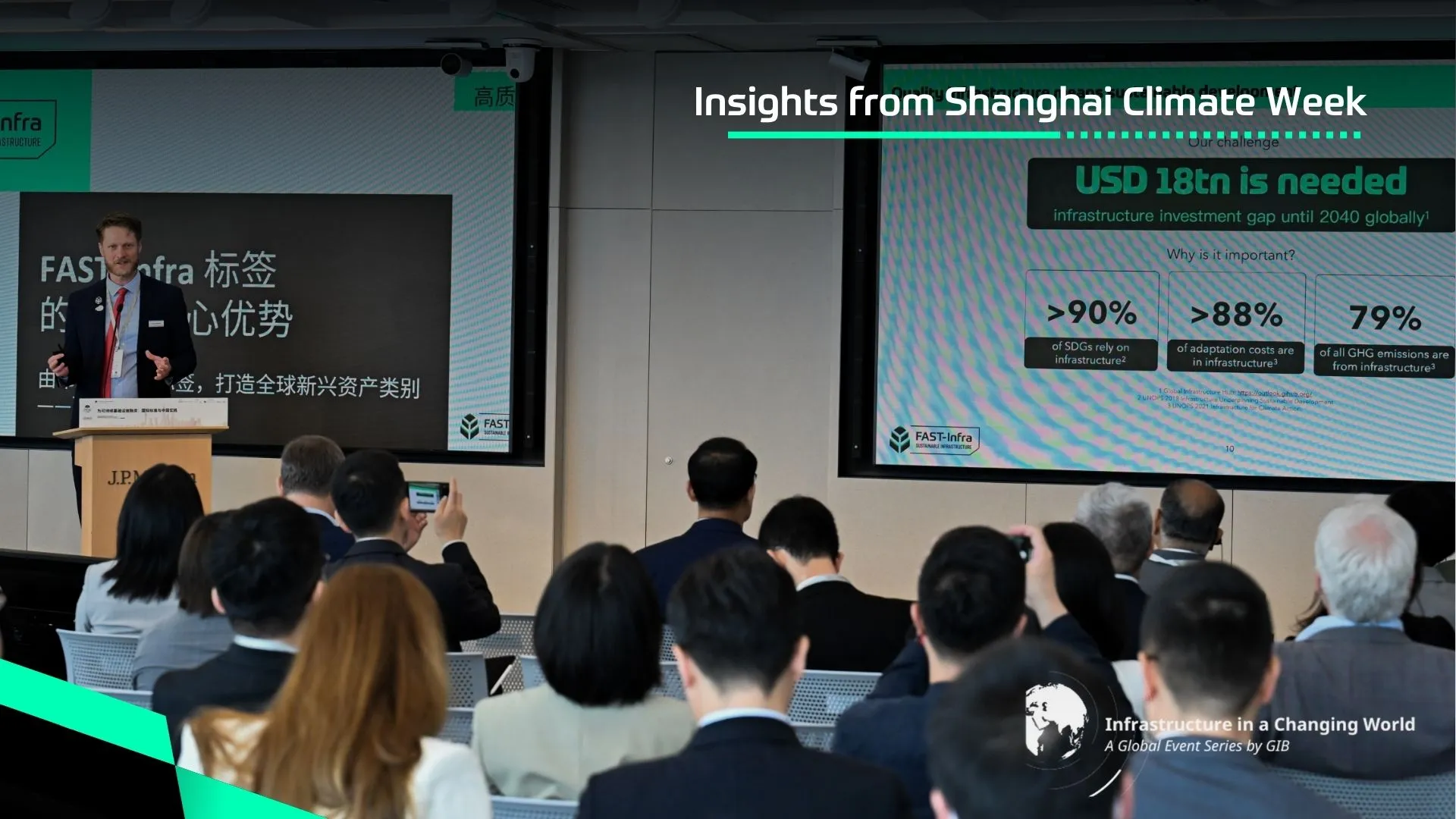
Financing Sustainable Infrastructure: International Standards and Chinese Practices
Financing Sustainable Infrastructure: International Standards and Chinese Practices
.webp)
Managing Climate Risks and Building Resilient Infrastructure: 3 Questions with Natalia Moudrak
Managing Climate Risks and Building Resilient Infrastructure: 3 Questions with Natalia Moudrak

Driving Institutional Investment in Sustainable and Resilient Infrastructure
Driving Institutional Investment in Sustainable and Resilient Infrastructure

Net Zero vs. Carbon Neutral: What’s the Difference?
Net Zero vs. Carbon Neutral: What’s the Difference?
.webp)
Building Resilient and Sustainable Infrastructure: An Interview with Peter Hall
Building Resilient and Sustainable Infrastructure: An Interview with Peter Hall
.webp)
Enhancing Data Transparency & Due Diligence in Sustainable Infrastructure
Enhancing Data Transparency & Due Diligence in Sustainable Infrastructure
.webp)
Incorporating Global Sustainability Best Practices into Infrastructure Projects
Incorporating Global Sustainability Best Practices into Infrastructure Projects
.webp)
Sustainable Infrastructure Investment: Building a Resilient Future
Sustainable Infrastructure Investment: Building a Resilient Future
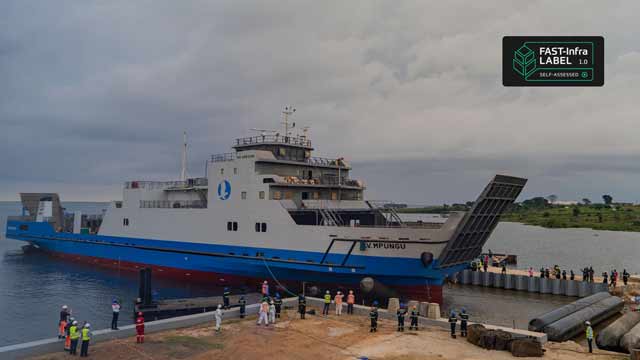
Enhancing East African Trade & Maritime Transport Across Lake Victoria
Enhancing East African Trade & Maritime Transport Across Lake Victoria
.webp)
Sustainable Infrastructure, Scaled: Insights from the FAST-Infra Label Launch at WEF 2025
Sustainable Infrastructure, Scaled: Insights from the FAST-Infra Label Launch at WEF 2025
Accelerating Sustainable Infrastructure Development with the FAST-Infra Access Programme
Accelerating Sustainable Infrastructure Development with the FAST-Infra Access Programme
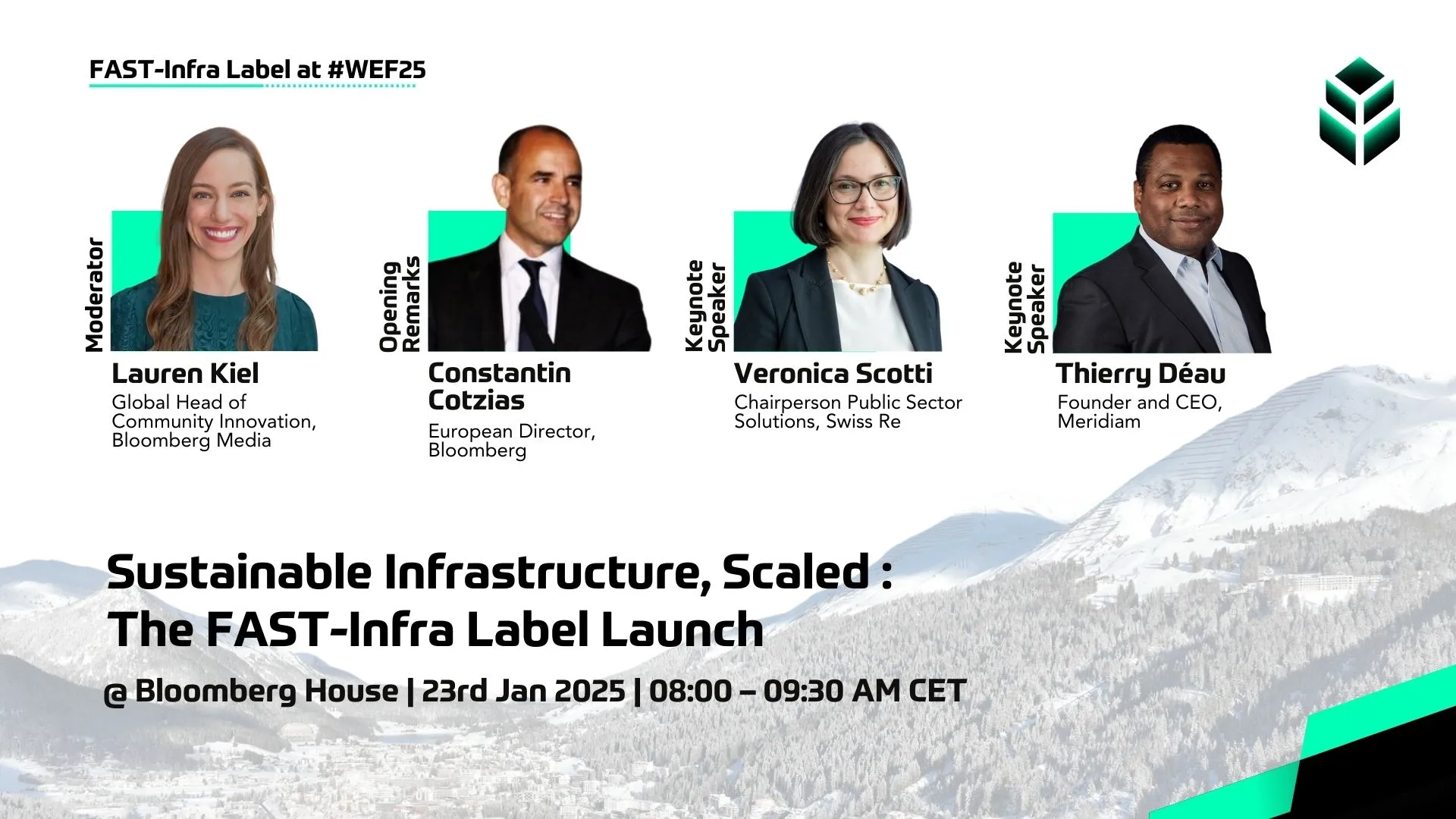
Sustainable Infrastructure, Scaled: The FAST-Infra Label Launch
Sustainable Infrastructure, Scaled: The FAST-Infra Label Launch
Global Sustainable Infrastructure Label Officially Launched at Davos, Backed by Leading Financial Institutions
Global Sustainable Infrastructure Label Officially Launched at Davos, Backed by Leading Financial Institutions
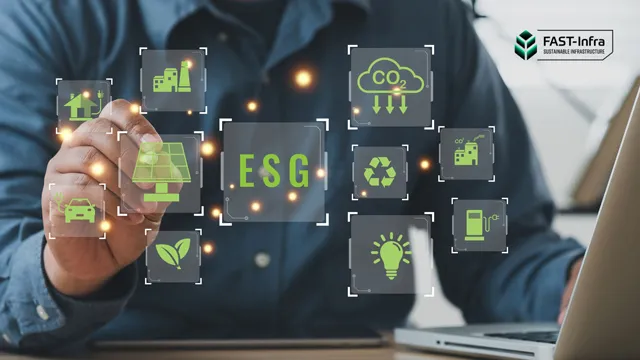
What is ESG and ESG Investing?
What is ESG and ESG Investing?
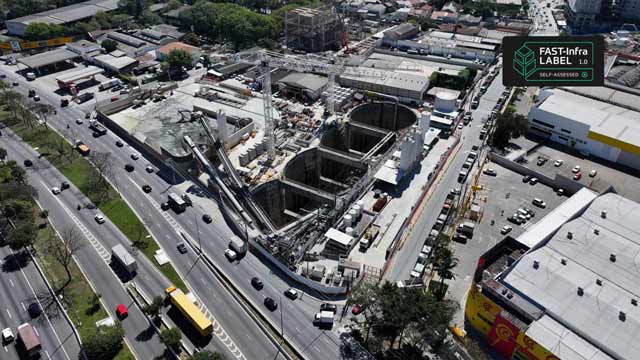
The L6 Metro Project: Addressing São Paulo’s Urban Mobility Challenge
The L6 Metro Project: Addressing São Paulo’s Urban Mobility Challenge

Scaling Sustainable Infrastructure: Insights from Market Leaders
Scaling Sustainable Infrastructure: Insights from Market Leaders
Mobilizing Private Investment in Sustainable Infrastructure with the FAST-Infra Label
Mobilizing Private Investment in Sustainable Infrastructure with the FAST-Infra Label
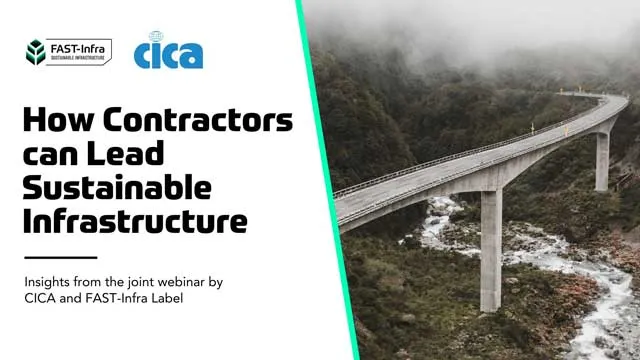
How can Contractors adopt Sustainable Infrastructure practices?
How can Contractors adopt Sustainable Infrastructure practices?

New York Climate Week 2024 : Addressing the $94 Trillion Infrastructure Investment Gap
New York Climate Week 2024 : Addressing the $94 Trillion Infrastructure Investment Gap
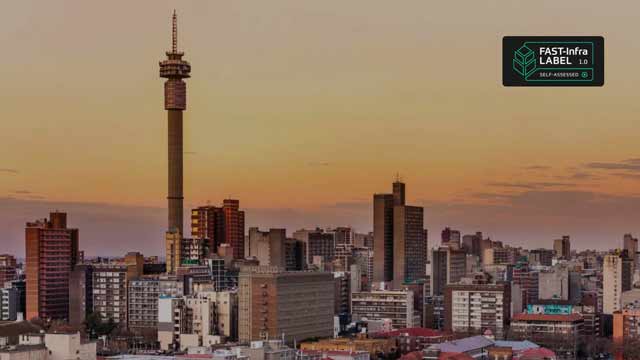
A Clean Utilities Model for Affordable Housing in South Africa
A Clean Utilities Model for Affordable Housing in South Africa

Insights from Webinar: Unveiling the Updated FAST-Infra Label Framework
Insights from Webinar: Unveiling the Updated FAST-Infra Label Framework

Addressing the infrastructure funding gap: Insights from Nathalie Gaullier
Addressing the infrastructure funding gap: Insights from Nathalie Gaullier

FAST-Infra Label Public Consultation results
FAST-Infra Label Public Consultation results

Unveiling the Updated FAST-Infra Label Framework
Unveiling the Updated FAST-Infra Label Framework

Insights from the OECD Panel on Certification and Labelling
Insights from the OECD Panel on Certification and Labelling

The FAST-Infra Label’s Mission to China
The FAST-Infra Label’s Mission to China

Join us to learn more about how you can give your input and feedback!
Join us to learn more about how you can give your input and feedback!

FAST-Infra Label at COP28
FAST-Infra Label at COP28
.webp)
Prioritizing Human and Labor Rights in Infrastructure Investments
Prioritizing Human and Labor Rights in Infrastructure Investments
.webp)
Beyond Linear Models: The Way Forward with Circular Infrastructure
Beyond Linear Models: The Way Forward with Circular Infrastructure

Steering Sustainable Infrastructure into the Future - The FAST-Infra Label Executive Advisory Committee meets
Steering Sustainable Infrastructure into the Future - The FAST-Infra Label Executive Advisory Committee meets

Fast-Infra Label at the WAPPP Abu Dhabi PPP Forum
Fast-Infra Label at the WAPPP Abu Dhabi PPP Forum
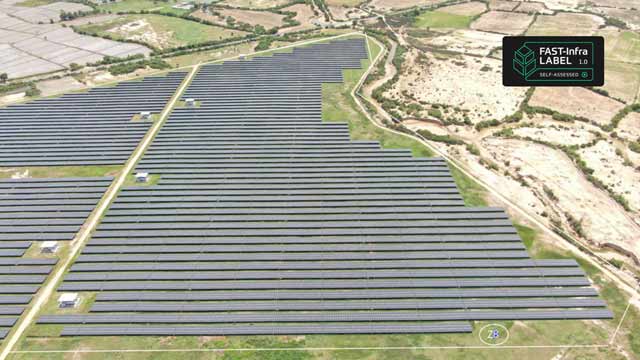
Climate Resilience with green energy in Vietnam: The path forward
Climate Resilience with green energy in Vietnam: The path forward
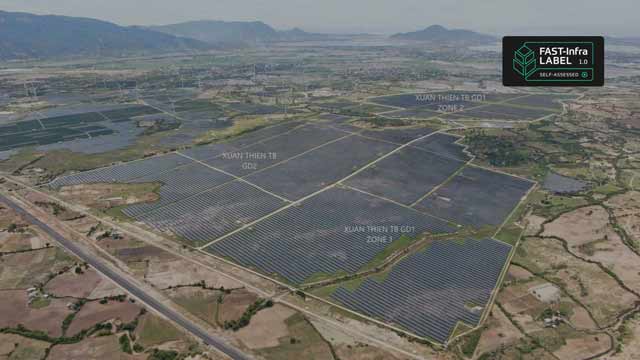
Decarbonizing Philippines with Solar Energy: A catalyst for change
Decarbonizing Philippines with Solar Energy: A catalyst for change
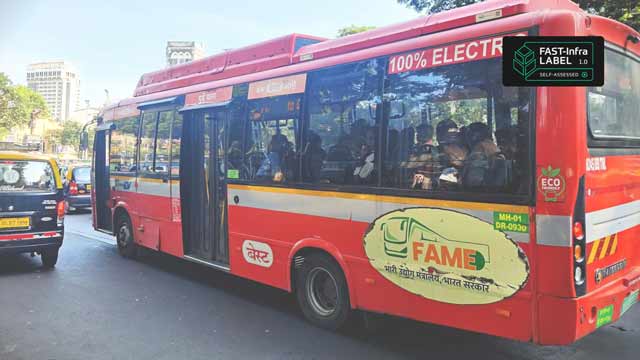
Powering Change: The Solar Solution to Mumbai's Electric Bus Revolution
Powering Change: The Solar Solution to Mumbai's Electric Bus Revolution

The case for investing in inclusive infrastructure
The case for investing in inclusive infrastructure

How can sustainable infrastructure contribute to Protection and Enhancement of Biodiversity & the Natural Environment?
How can sustainable infrastructure contribute to Protection and Enhancement of Biodiversity & the Natural Environment?

The importance of building resilience and adaptive capacity in sustainable infrastructure investments
The importance of building resilience and adaptive capacity in sustainable infrastructure investments

Introducing the FAST-Infra Label Framework: A Pathway to Sustainable Infrastructure Investment
Introducing the FAST-Infra Label Framework: A Pathway to Sustainable Infrastructure Investment

Milestone: Steering Committee Established for the FAST-Infra Label
Milestone: Steering Committee Established for the FAST-Infra Label

Global Infrastructure Summit Highlights Climate-Smart PPPs for Sustainable Development
Global Infrastructure Summit Highlights Climate-Smart PPPs for Sustainable Development

The FAST-Infra Label calls for Solar PV and Onshore Wind Projects to Rollout the Revised FAST-Infra Framework
The FAST-Infra Label calls for Solar PV and Onshore Wind Projects to Rollout the Revised FAST-Infra Framework

First Executive Advisory Committee Meeting of the FAST-Infra Sustainable Infrastructure® (FAST-Infra) Label
First Executive Advisory Committee Meeting of the FAST-Infra Sustainable Infrastructure® (FAST-Infra) Label

GIB Participates in the Summit for a New Global Financial Pact in Paris June 23, 2023
GIB Participates in the Summit for a New Global Financial Pact in Paris June 23, 2023

Unlocking Investment: The Crucial Role of Blended Finance in Bridging Infrastructure Financing
Unlocking Investment: The Crucial Role of Blended Finance in Bridging Infrastructure Financing

Building Sustainable and Resilient Cities: The Case for Investing in Multi-Sector Infrastructure
Building Sustainable and Resilient Cities: The Case for Investing in Multi-Sector Infrastructure

Going Green from the Get-Go: Six Reasons to Invest in Early Stage Sustainable Infrastructure Projects
Going Green from the Get-Go: Six Reasons to Invest in Early Stage Sustainable Infrastructure Projects

FAST-Infra announces FAST-Infra Sustainable Infrastructure® Label Secretariat and Data Repository
FAST-Infra announces FAST-Infra Sustainable Infrastructure® Label Secretariat and Data Repository


an initiative by

powered by


To stay in the loop, subscribe to our news and updates.

